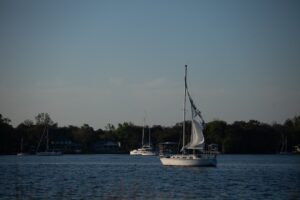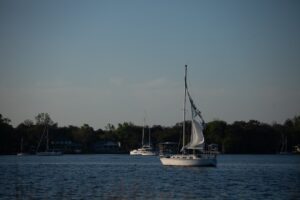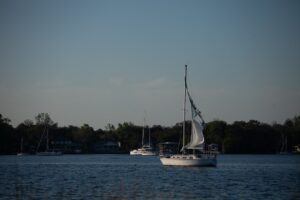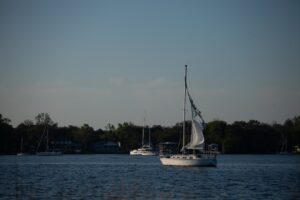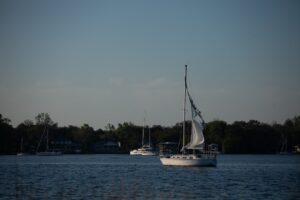
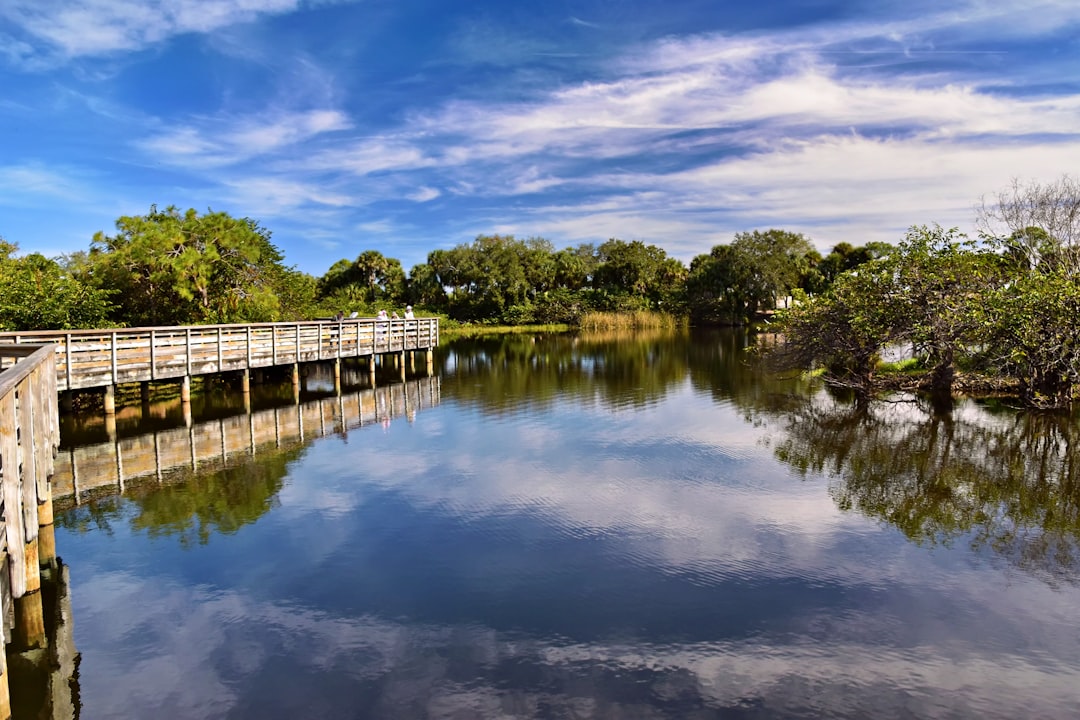
When it comes to boating in Florida, you’re blessed with some of the most beautiful and diverse waterways in the United States. From massive freshwater lakes to coastal bays and estuaries, Florida offers boating opportunities for every skill level and preference. Whether you’re looking for peaceful fishing, high-speed cruising, or scenic exploration, there’s a perfect lake waiting for you. But before you head out on the water, it’s important to understand the regulations that apply to each location—and yes, you’ll need the right boating certificate. Let’s explore the best lakes to boat in Florida and what rules you need to follow.
1. Lake Okeechobee: Florida’s Boating Giant

Lake Okeechobee is the largest freshwater lake in Florida, covering approximately 730 square miles, and it’s a bucket-list destination for serious boaters. Located in central Florida, “The Big O” as locals call it, offers expansive boating opportunities with numerous boat ramps and fishing villages around its perimeter.
The lake is known for its excellent largemouth bass fishing, but it’s also popular for recreational boating, water skiing, and exploring the surrounding wildlife. Popular areas include Clewiston, LaBelle, and Okeechobee City, each offering different access points and amenities.
Okeechobee Boating Rules:
- Operators must have a valid Florida boating certificate if born after January 1, 1988
- Life jacket requirements apply (at least one USCG-approved PFD per person on board)
- Maximum speed limits in certain zones—always watch for posted speed zone markers
- Weather conditions can change rapidly; check forecasts before heading out
- Shallow water areas require careful navigation; use nautical charts and depth finders
2. Lake Tohopekaliga: Osceola County’s Boating Paradise
Lake Tohopekaliga, located in Osceola County near Kissimmee, is one of Florida’s clearest lakes and a paradise for boaters seeking excellent water quality and scenic beauty. The lake covers about 22,700 acres and is a popular destination for recreational boating, fishing, water skiing, and jet skiing.
The lake is surrounded by several state parks and natural areas, making it ideal for those who want to combine water activities with nature exploration. Popular launch points include the Rous Park boat ramp and the Thompson Park area.
Tohopekaliga Regulations:
- Florida boating certificate required for operators born after January 1, 1988
- Life jackets mandatory for all passengers, and recommended at all times
- Personal watercraft (jet skis) have specific operating areas and hours
- No-wake zones are strictly enforced near residential areas and public beaches
- Waterskiing is permitted in designated areas during daylight hours
3. Lake Harris: Sumter County’s Hidden Gem
Lake Harris, spanning about 32,000 acres across Sumter and Lake Counties, is a picturesque lake known for excellent boating conditions and relatively clear water. It’s a favorite among boaters who want to avoid the crowds while still enjoying world-class boating experiences.
The lake is popular for fishing (particularly for catfish and largemouth bass), and it’s also suitable for recreational boating, camping, and exploration. Harris Lake State Park offers facilities and access points for boaters of all experience levels.
Lake Harris Boating Requirements:
- Boaters must carry a Florida boating certificate if born after January 1, 1988
- Life jackets required for all passengers (especially children under 6)
- Maximum speed limits apply in specific zones—watch for signage
- Navigation lights are required when operating between sunset and sunrise
- Always file a float plan when venturing to remote areas of the lake
4. Lake George: Putnam County’s Clear Water Destination
Lake George, located in Putnam County along the scenic St. Johns River, is known for its crystal-clear waters and pristine natural surroundings. This 8,100-acre lake is a gem for boaters who value natural beauty and peaceful recreation.
The lake is popular for boating, fishing, and exploring the surrounding state parks. Multiple boat ramps and public access points make it accessible to all boaters. It’s also an excellent training ground for new boaters due to its relatively calm conditions.
Lake George Regulations:
- Florida boating certificate required for operators born after January 1, 1988
- All passengers must have access to USCG-approved life jackets
- Speed limits vary by zone; observe all posted signage
- Night operation requires proper navigation lights
- Environmental protection is key—avoid disturbing wildlife and vegetation
5. Lake Kissimmee: Adventure and Outdoor Recreation
Lake Kissimmee, covering about 34,948 acres, is another central Florida favorite offering excellent boating opportunities combined with world-class fishing. The lake is particularly known for trophy-sized largemouth bass, but recreational boaters love it for the sheer space and variety of experiences available.
The lake’s size means there are plenty of areas to explore, from peaceful coves to open-water cruising. Lake Kissimmee State Park offers amenities, guided tours, and boat rental options for those without their own vessels.
Kissimmee Boating Standards:
- Mandatory boating certificate for operators born after January 1, 1988
- Life jacket requirements must be strictly followed—every person on board
- Towing regulations apply for water skiing and wakeboarding
- Fuel and waste disposal are regulated; use designated facilities
- Weather can change quickly; always monitor forecasts
6. The Gulf Coast and Biscayne Bay: Saltwater Boating Destinations
While not technically lakes, Florida’s Gulf Coast and Biscayne Bay offer exceptional boating experiences that deserve mention. These saltwater destinations include areas like Tampa Bay, the Florida Keys, and the Panhandle’s emerald waters, each offering unique boating opportunities.
These areas are popular for recreational boating, fishing, diving, and exploring mangrove forests. Coastal boating offers different challenges and rewards compared to freshwater lake boating, but the certificate requirements and safety rules remain the same.
Coastal Boating Regulations:
- Florida boating certificate required (same age threshold)
- Life jacket requirements apply on all watercraft
- Navigational skills and knowledge of coastal waters are essential
- Manatee zones have special protections—know where they are and follow speed limits
- Tide and current awareness is critical for safe coastal boating
7. Apalachicola River System: Scenic Waterway Exploration
The Apalachicola River system in the Florida Panhandle offers a different boating experience—scenic, peaceful, and deeply connected to Florida’s natural heritage. This system combines freshwater river boating with access to coastal areas, making it ideal for those seeking variety and adventure.
The river flows through protected lands and natural areas, offering boaters a chance to see diverse wildlife and unique ecosystems. It’s particularly popular for camping, fishing, and nature-focused boating trips.
Apalachicola River Rules:
- Florida boating certificate required for operators born after January 1, 1988
- Life jackets are mandatory for all passengers at all times
- Shallow draft boats are often preferred due to the river’s depth variations
- Current and water level awareness is essential for safe navigation
- Respect designated camping areas and protected wildlife zones
Florida Boating Certificate Requirements: Every Lake, Every Day
One consistent rule applies across all of Florida’s lakes: if you were born after January 1, 1988, you must have a valid Florida boating certificate to operate a motorized vessel. This requirement is enforced equally on Lake Okeechobee and on your local lake, and FWC officers conduct regular patrols and safety checks.
The Florida boating certificate (also called a boaters license or boating safety certificate) proves that you understand:
- Safety equipment requirements
- Navigation rules
- Right-of-way principles
- Proper use of life jackets
- FWC boating regulations specific to Florida waterways
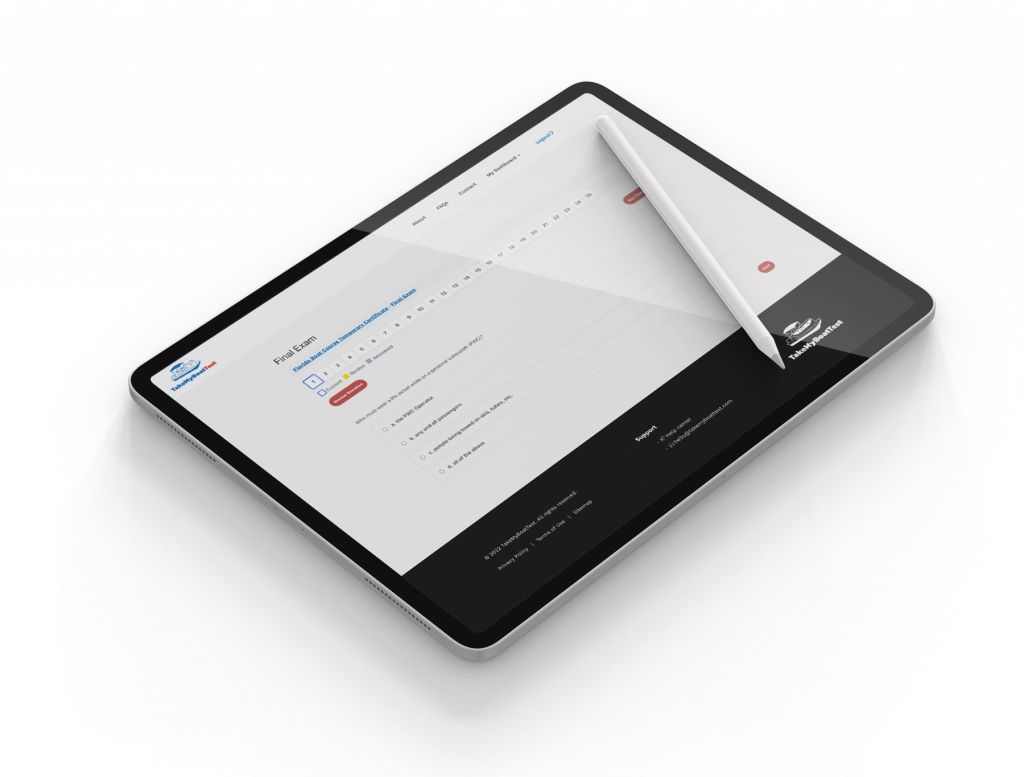
You can earn your Florida boating certificate through TakeMyBoatTest.com in just 4-8 hours, and your certificate is valid for life. There’s no need to renew it, and it’s recognized throughout Florida for all waterway types.
Common Regulations Across All Florida Lakes
While each lake may have specific rules, certain regulations apply universally across Florida waterways. For a complete overview, see our guide to Florida boating laws:
Life Jacket Requirements
- At least one USCG-approved personal flotation device (PFD) per person on board
- Children under 6 must wear a USCG Type I, II, or III life jacket at all times
- For adults, having one available is often sufficient, but wearing them is always recommended
Boating Under the Influence (BUI)
- Operating a vessel while impaired by alcohol or drugs is illegal
- Blood alcohol levels apply the same way they do for vehicle driving
- BUI penalties are severe, including fines, license suspension, and potential jail time
Speed and Navigation Rules
- No-wake zones protect property, swimmers, and wildlife—respect all posted signs
- Speed limits vary by location; always watch for signage
- Right-of-way rules help prevent collisions and ensure safe waterway sharing
Equipment Requirements
- Navigation lights for night operation
- Sound-producing devices (air horns)
- Fire extinguishers (depending on vessel type and size)
- First aid kits (recommended)
- Throwable life rings or cushions
Reporting and Compliance
- Accidents must be reported to the FWC if they involve injury, death, or significant property damage
- Boating while under the influence can result in federal and state criminal charges
- Environmental violations can lead to substantial fines
Planning Your Lake Boating Adventure
When planning a boating trip to any of Florida’s major lakes, follow these best practices:
- Check Weather First: Florida weather can change rapidly. Always check NOAA forecasts before heading out.
- Inspect Your Vessel: Perform a pre-launch safety check—fuel, navigation lights, life jackets, communication devices.
- File a Float Plan: Let someone know where you’re going, when you expect to return, and who to contact if you don’t return on time.
- Carry Your Certificate: Keep proof of your Florida boating certificate with you at all times. Digital copies on your phone are acceptable.
- Understand Local Conditions: Each lake has unique characteristics. Research water depth, current patterns, and specific local rules before your first visit.
- Respect the Environment: Dispose of trash properly, avoid disturbing wildlife, and follow all wildlife protection regulations.
Why Every Florida Boater Needs a Certificate
The boating certificate isn’t just a legal requirement—it’s a safety foundation. The knowledge you gain through a certified course helps you:
- Recognize hazards and avoid dangerous situations
- Understand how to properly use safety equipment
- Navigate Florida’s complex waterway system responsibly
- Protect marine ecosystems and wildlife
- Save lives through prevention and proper response
Get your Florida boating certificate today at TakeMyBoatTest.com. Our NASBLA-accredited course takes just 4-8 hours to complete, and your certificate is valid for life. Whether you’re heading to Lake Okeechobee’s expansive waters or exploring a local lake, you’ll have the knowledge to boat safely and responsibly.
Frequently Asked Questions
Q: Do I need a boating certificate for all Florida lakes?
A: If you were born after January 1, 1988, and operate a motorized vessel on any Florida waterway (lakes, rivers, coastal waters), you need a valid boating certificate. The rule applies universally across all lakes and waterway types.
Q: What’s the difference between the different Florida lakes?
A: Florida’s lakes vary in size, water quality, regulations, and recreational opportunities. Lake Okeechobee is massive and known for bass fishing. Lake Tohopekaliga has clear water and excellent recreational boating. Lake Harris is less crowded but equally beautiful. Each lake has unique characteristics, but all follow the same state-level boating regulations.
Q: Can I get a temporary boating certificate if I’m visiting Florida?
A: Yes! If you’re renting a boat in Florida and don’t have a permanent certificate, TakeMyBoatTest.com offers a temporary boating certificate valid for 90 days. It’s perfect for tourists who want to enjoy Florida’s lakes during their vacation.
Q: What are the age requirements for operating a motorized boat in Florida?
A: Anyone born after January 1, 1988, must have a boating certificate to operate a motorized boat. There’s no minimum age—even children can operate boats if they hold a valid certificate, though parental supervision is recommended for young operators.
Q: How long does it take to get a Florida boating certificate?
A: The TakeMyBoatTest.com course takes 4-8 hours to complete, depending on your pace. It’s self-paced, so you can spread it across multiple days or complete it in a single session. Your certificate is valid immediately after course completion.
Q: Are there boating certificates specific to each lake?
A: No, your Florida boating certificate is valid on all lakes and waterways throughout the state. Once you earn your certificate, you can boat on Lake Okeechobee, Lake Tohopekaliga, coastal waters, rivers, and any other Florida waterway.
Q: What happens if I get caught boating without a certificate?
A: Boating without a required certificate is a violation of Florida law. Penalties may include fines, operator citations, and potential legal action. Avoid the risk—get your certificate online in just a few hours through TakeMyBoatTest.com.
Q: Do I need to renew my Florida boating certificate?
A: No! Your Florida boating certificate is valid for life. Once you earn it, you never need to renew it, take another exam, or pay renewal fees. It’s a one-time certification that lasts forever.
Q: Which lake has the best fishing in Florida?
A: Lake Okeechobee and Lake Kissimmee are known for world-class largemouth bass fishing. Lake Harris and Lake Tohopekaliga also offer excellent fishing opportunities. The “best” lake depends on the fish species you’re targeting and your fishing style.
Q: Is it safe to boat alone on Florida lakes?
A: While many boaters enjoy solo trips, it’s always safer to boat with a companion. If you do boat alone, always tell someone where you’re going and when you’ll return. Carry a working communication device, and ensure you have proper safety equipment on board.
Ready to explore Florida’s best lakes? Get your Florida boating certificate at TakeMyBoatTest.com today. Our NASBLA-accredited, online course is fast, affordable ($39.97), and valid for life. Earn your certificate in 4-8 hours and start your boating adventure immediately.
Also boating in California? California requires all boaters born on or after January 1, 1988 to carry a California Boater Card. TakeMyBoatTest.com is NASBLA-accredited and offers an approved California boating safety course entirely online. Get your California Boater Card today →
Before you head to any of these Florida lakes, make sure you have your boating certification. Get your Florida Boating License online with Take My Boat Test — complete the NASBLA-accredited course in 3-4 hours and you’re ready to go.