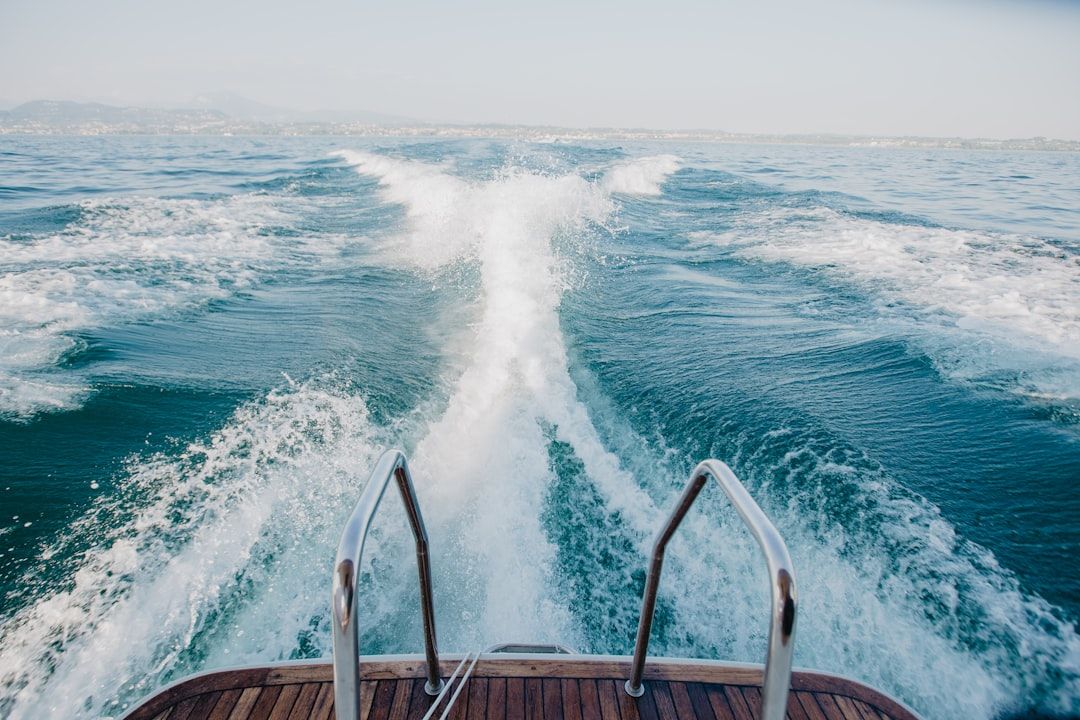
Florida Boating Safety Rules
Whether you’re cruising the emerald waters of the Florida Keys or navigating the calm lakes of Central Florida, understanding and following Florida boating safety rules is essential for protecting yourself, your passengers, and others on the water. The Florida Fish and Wildlife Conservation Commission (FWC) enforces these regulations to reduce accidents and save lives. This comprehensive guide covers everything you need to know about Florida boating safety rules.
Life Jacket Requirements
One of the most critical Florida boating safety rules involves personal flotation devices (PFDs), commonly called life jackets. Florida life jacket laws specify that every recreational vessel must have at least one Coast Guard-approved life jacket for each person aboard. This isn’t optional—it’s mandatory.
The type of life jacket matters too. There are five Coast Guard-approved types of PFDs:
- Type I: Offshore life jackets designed for rough water where rescue might be delayed
- Type II: Near-shore buoyant vests suitable for calmer waters where rescue is expected
- Type III: Flotation aids offering comfort for watersports like skiing and fishing
- Type IV: Throwable devices like ring buoys and seat cushions (cannot be worn)
- Type V: Special-use devices requiring proper wear and may have restrictions
Florida also has specific requirements for children under 6 years old: they must wear a properly fitted, Coast Guard-approved life jacket at all times when aboard. For children 6 and older, life jackets must be immediately available, though they may not need to wear them while on deck in calm conditions—however, it’s highly recommended.
Passenger Safety Rules
Beyond life jackets, Florida boating safety rules emphasize overall passenger protection. Operators must ensure:
- Maximum capacity is never exceeded: Each boat has a manufacturer’s capacity plate specifying maximum number of passengers and weight limit
- Safe distribution of weight: Weight must be distributed evenly to maintain stability and prevent capsizing
- Proper seating: All passengers should remain seated while the boat is in motion, especially near the helm
- Awareness of weather conditions: Operators must assess whether conditions are safe for the number and age of passengers aboard
- Alcohol-related restrictions: Passengers cannot possess open containers of alcohol, and no one aboard should be intoxicated
Speed Limits and Right of Way
Florida boating safety rules establish specific speed limits to prevent accidents and collisions:
- In residential waterways and channels: Maximum speed is typically 6 mph or less, posted by local markers
- In no-wake zones: Boats must proceed at the slowest possible speed to minimize wake damage
- Near swimmers or diving flags: Maintain a safe distance and reduce speed dramatically
- At night: Reduce speed significantly to maintain control and visibility. Learn more about night boating rules in Florida before operating after dark.
Right-of-way rules help prevent collisions:
- Sailboats have right-of-way over motorboats (with exceptions when motorboat is being overtaken)
- Vessels being overtaken have right-of-way; the overtaking vessel must pass at a safe distance
- Keep right when meeting boats head-on, just like on roads
- Fishing vessels and vessels engaged in commercial operations have limited maneuverability and must be given wide berth
Weather Rules and Water Conditions
Florida’s subtropical climate means weather can change rapidly. FWC boating safety rules require operators to:
- Check weather forecasts before departure and monitor conditions while out
- Turn back if conditions deteriorate: Thunderstorms, high winds, and rough seas are common hazards. Understanding how to avoid boating accidents includes being aware of weather conditions and your own capabilities.
- Reduce speed in poor visibility: Fog, rain, and darkness require slower operation and increased vigilance
- Avoid boating in small craft advisories: The National Weather Service issues these warnings when conditions are unsafe
- Know the water conditions: Understand shallow areas, current patterns, and seasonal hazards
Distress Signals and Assistance
If you encounter trouble, Florida boating safety rules require you to understand distress signals:
- Visual signals: Flares (pyrotechnic devices), mirrors, or raising and lowering arms
- Audible signals: Horn blasts or whistle signals indicating distress
- Radio distress: VHF radio Mayday or Pan-Pan calls
- Necessity for required safety equipment: Every vessel must carry a whistle or horn, flares, and other federally required equipment
Equally important: Help fellow boaters in distress. Florida law obligates operators to provide reasonable assistance to anyone in danger. If you encounter an accident, Florida boating accident reporting requires you to report certain incidents to authorities.
Right-of-Way Rules at a Glance
Understanding right-of-way prevents most boating collisions:
- Sailboats have right-of-way over motorboats (unless the sailboat is overtaking)
- Keep to the right when meeting oncoming boats
- When overtaking, pass on the left at safe distance
- Give way to vessels with restricted maneuverability
- Fishing vessels have limited ability to maneuver—avoid their nets
Navigation Lights and Nighttime Safety
Night boating requires compliance with federal navigation light requirements:
- Motorboats underway: Red (port) and green (starboard) bow lights plus white stern light
- Sailboats underway: Red and green bow lights plus white stern light
- Anchored vessels: All-around white light
- Reduced speed at night: Operators must proceed at reduced speed to remain in control
Visibility is severely limited at night, so many experienced boaters avoid night operations entirely. If you must boat at night, be extra cautious and prepared for emergencies.
Mandatory FWC Boating Safety Equipment
Beyond life jackets, Florida law requires all recreational vessels to carry:
- Fire extinguisher: At least one Type B fire extinguisher for boats with inboard fuel tanks
- Throwable device: U.S. Coast Guard-approved flotation device (Type IV)
- Sound-producing device: Whistle, horn, or bell
- Signaling equipment: Flares or other distress signals
- Navigation lights: For operation from sunset to sunrise
- First aid kit: Recommended though not required
Special Rules for Jet Skis and Personal Watercraft
Florida jet ski laws establish specific safety rules for personal watercraft beyond general boating rules. These high-speed vessels have different equipment requirements and operating restrictions that all PWC operators must follow.
FWC Enforcement and Penalties
The Florida Fish and Wildlife Conservation Commission actively enforces boating safety rules. Violations can result in:
- Citations and fines: Boating under the influence, reckless operation, or equipment violations carry significant penalties
- Criminal charges: Serious violations like BUI (Boating Under the Influence) with injury can result in felony charges
- Vessel impoundment: FWC can seize boats involved in serious violations
- License suspension: Operating privileges can be suspended for major violations
- Court costs: In addition to fines, operators may face substantial court costs
The FWC conducts safety checks at boat ramps and on the water, looking for required equipment, life jacket compliance, and operator impairment.
Getting Your Florida Boating Safety Certificate
Meeting all these Florida boating safety rules is foundational, but the FWC also requires a boating safety certificate for most operators. Anyone born on or after January 1, 1988 must pass an approved boating safety course before operating a motorboat in Florida. Learn more about Florida boating license age requirements and certification options.
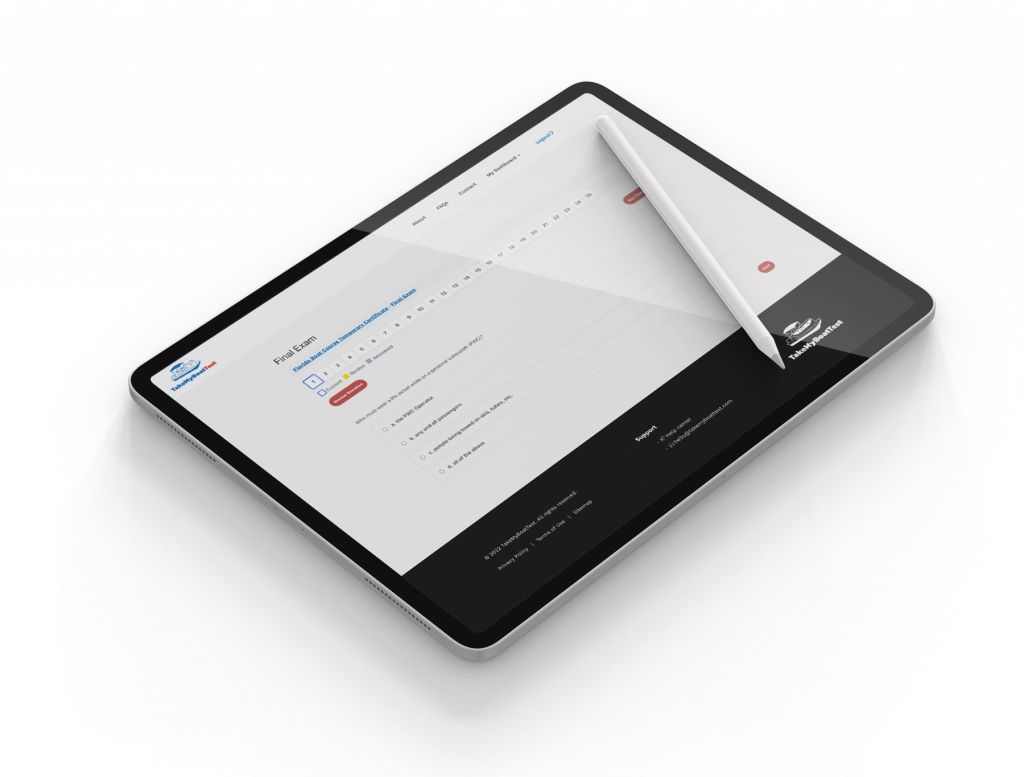
The quickest way to comply is through an online boating safety course. At TakeMyBoatTest.com, you can complete a NASBLA-accredited course in just 4-8 hours—even in a single sitting—and receive your lifetime Florida Boating Certificate. The course covers all the safety rules outlined in this guide, plus emergency procedures, proper maintenance, and navigation skills.
Get your Florida boating license at TakeMyBoatTest.com today and be compliant while you’re on the water.
Frequently Asked Questions
Q: What is the penalty for not wearing a life jacket in Florida?
A: Operators can be cited and fined for not having enough life jackets aboard. Children under 6 must wear Coast Guard-approved jackets—failure to comply can result in citations. Adults are not required to wear life jackets while underway, but at least one must be available per person.
Q: Do I need a boating license to operate in Florida?
A: If you were born on or after January 1, 1988, yes—you must hold a valid Florida Boating Certificate to operate a motorboat. Those born before this date are exempt from the requirement, though a course is still highly recommended for safety.
Q: What is the speed limit in Florida residential waterways?
A: In most residential waterways and marked channels, the maximum speed is 6 mph or less. Always follow posted speed limit signs.
Q: How often do I need to renew my Florida boating safety certificate?
A: Your Florida Boating Certificate is valid for life if issued after January 1, 2007. No renewal is needed.
Q: What should I do if I encounter another boat in distress?
A: You must provide reasonable assistance, including rendering aid or contacting the Coast Guard or FWC. Failure to assist someone in distress can result in citations.
Q: Can I operate a boat if I’ve been drinking?
A: No. Boating Under the Influence (BUI) is illegal. You cannot legally operate a vessel with a blood alcohol content (BAC) of 0.08% or higher. Even lower BACs can impair judgment and reaction time on the water.
Q: Where can I get a boating safety course in Florida?
A: You can take an in-person course through FWC-approved providers or complete an online course such as TakeMyBoatTest.com’s Florida Boating Certificate course. Online courses are faster and more convenient.
Q: Are inflatable life jackets Coast Guard-approved?
A: Yes, many inflatable life jackets are Coast Guard-approved (Type V), but only if they’re properly fitted and maintained. They require proper care and may have usage restrictions, so check the label.
Don’t let safety become an afterthought. The Florida boating safety rules outlined in this guide exist to protect you, your passengers, and everyone else enjoying Florida’s beautiful waterways. Combine your knowledge of these rules with a proper boating safety course—get your Florida Boating Certificate at TakeMyBoatTest.com and boat with confidence.
Ready to get your Florida boating license? Take My Boat Test offers a NASBLA-accredited online course approved by the FWC. Complete it in about 3 hours and get certified from home.