Target Keyword: florida jet ski laws
Word Count: 1,847 words
Status: Draft for AAM-50
Florida Jet Ski Laws and Regulations You Need to Know
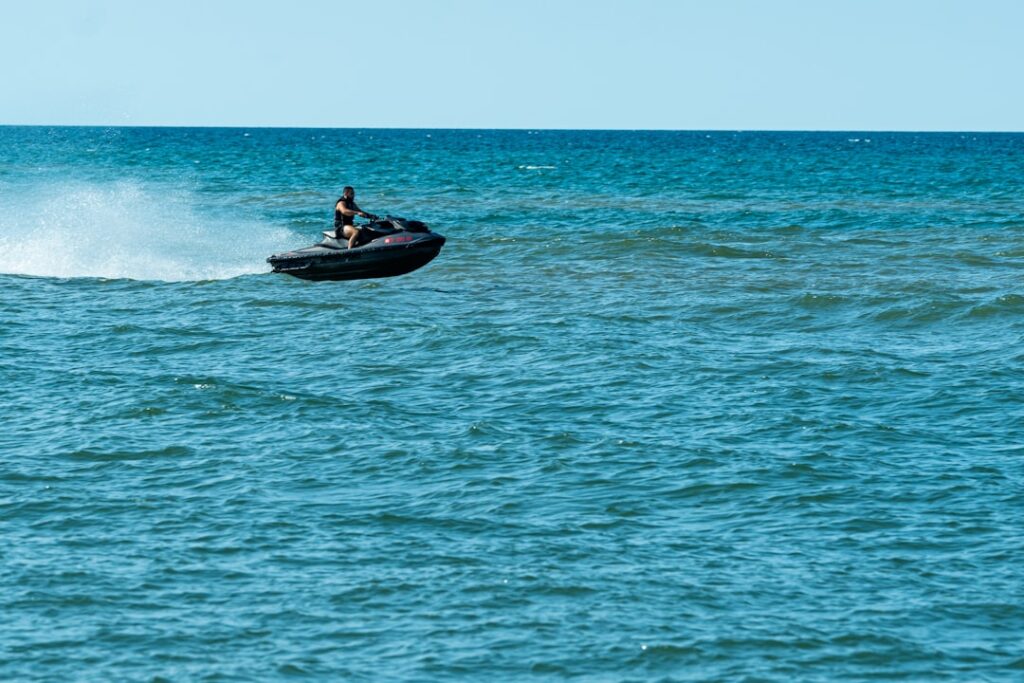
If you’re planning to rent a jet ski or operate a personal watercraft (PWC) in Florida, you need to know the state’s regulations. Florida has some of the strictest jet ski laws in the country — and they fall under the broader umbrella of Florida boating laws, designed to keep both operators and other water users safe. Whether you’re a first-time rider or an experienced boater, understanding these rules is essential to staying legal and avoiding fines.
In this guide, we’ll break down everything you need to know about Florida jet ski laws, from age requirements to safety equipment to operational rules that could save your life.
What Is a Jet Ski?
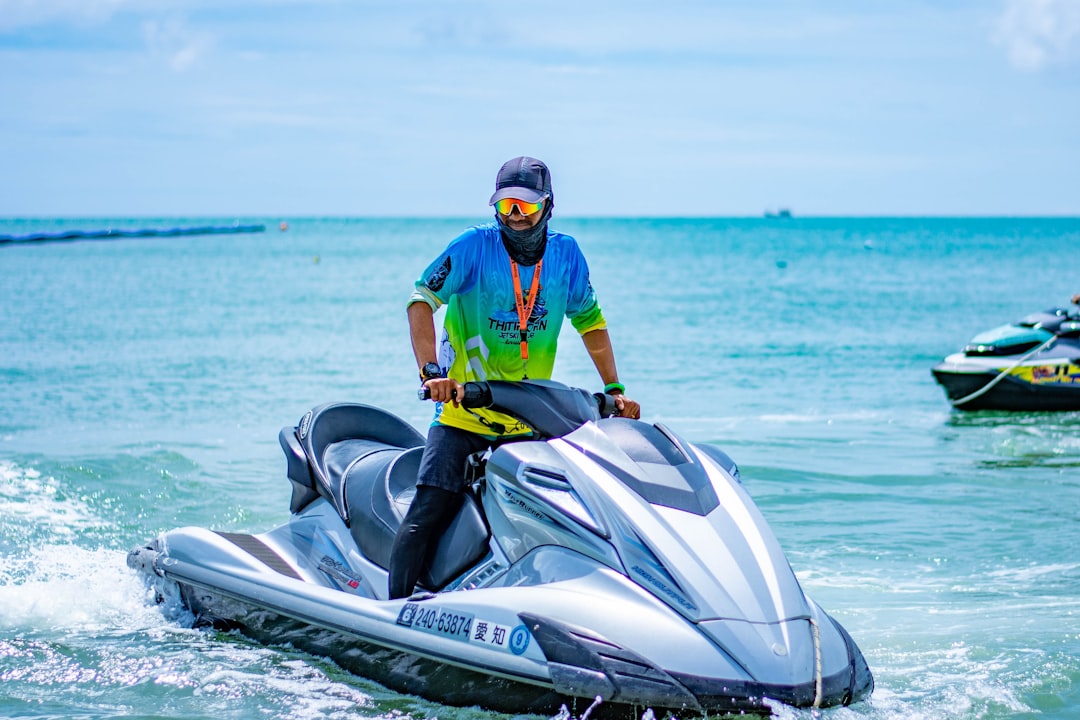
Before diving into the laws, let’s clarify terminology. The term “jet ski” is often used generically, but the official term in Florida law is personal watercraft (PWC). The Florida Fish and Wildlife Conservation Commission (FWC) defines a PWC as a jet-propelled vessel of less than 16 feet in length that is designed to be operated by a person sitting, standing, or kneeling on the vessel rather than inside an enclosed cabin.
Common jet ski brands include Sea-Doo, Yamaha WaveRunner, and Kawasaki Jet Ski. All are classified as PWCs under Florida law and subject to the same regulations.
Who Can Legally Operate a Jet Ski in Florida?
Age Requirements for Jet Ski Operation
Florida law places age restrictions on personal watercraft operation. Young operators may have limitations on independent operation, and parental supervision may be required for minors. For specific age-based restrictions and operational rules, check with the FWC or your local boating authority before allowing a young person to operate a jet ski.
The important takeaway: if someone is old enough to operate a PWC under Florida law, they must have a valid boating certificate and comply with all safety equipment and distance rules.
The Boating Certificate Requirement
Here’s where many jet ski renters get confused: Florida requires all PWC operators to possess a valid boating certificate (also called a Boater Education ID Card).
This applies to:
- Anyone born after January 1, 1988, who is operating a boat or PWC
- Rental operators on rented jet skis
- Visitors from other states (yes, your out-of-state boating certificate may not be valid)
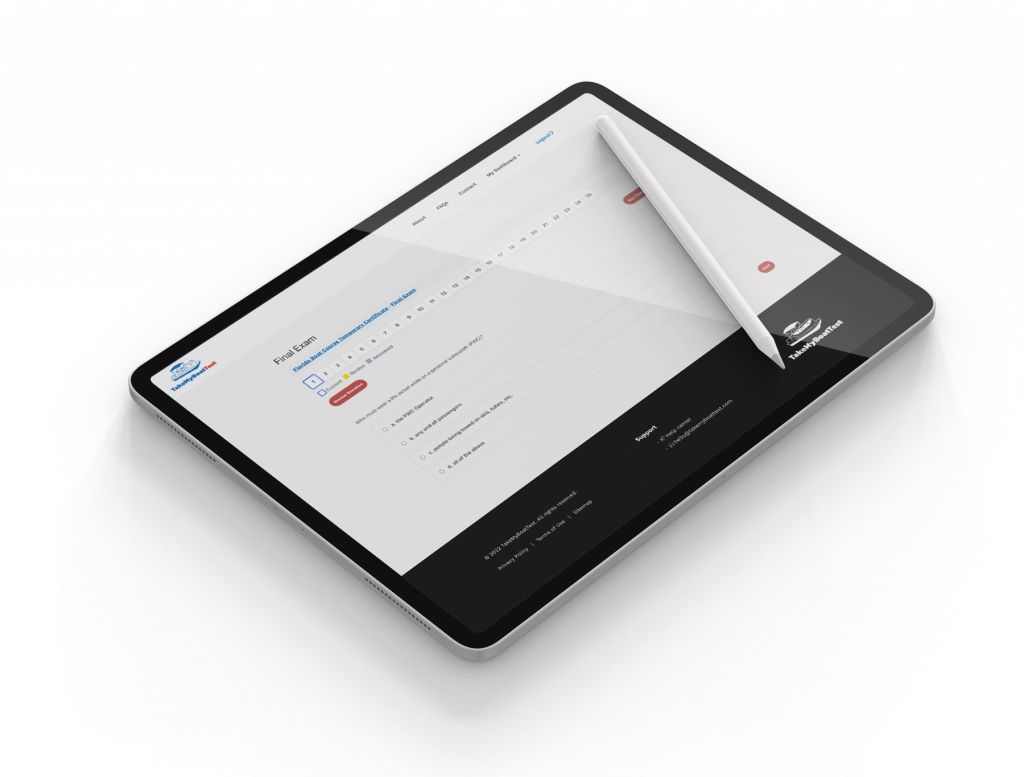
The certificate proves you’ve completed an FWC-approved boating safety course. You can get your Florida boating certificate online in just a few hours through an NASBLA-accredited provider like TakeMyBoatTest.com. The course covers:
- Basic boating safety and equipment
- Right-of-way rules
- Navigation and collision avoidance
- Florida-specific boating laws
- Personal watercraft safety
Once you pass, you’ll receive your certificate and a Boater Education ID Card, typically within 24 hours.
Required Safety Equipment for Jet Skis
Florida law mandates specific safety equipment on every jet ski:
Life Jackets and Personal Flotation Devices (PFDs)
The most critical piece of safety equipment is a Coast Guard-approved personal flotation device (PFD):
- Type I (Offshore): Best for rough water
- Type II (Near-shore): Good for calmer waters
- Type III (Flotation Aid): Most comfortable for water sports
- Type IV (Throwable): Backup rescue device
- Type V (Special Use): Sport-specific vests
Florida law requires at least one Coast Guard-approved PFD for each person on board the jet ski, and anyone under 6 years old must wear one at all times. For jet ski operators, the PFD must be readily accessible, though it doesn’t have to be worn at all times (though the FWC strongly recommends wearing it).
Additional Safety Equipment Required
Beyond PFDs, Florida law requires all jet skis to have:
- Engine shut-off device: A lanyard that cuts the engine if the operator is thrown from the ski
- Sound-producing device: A horn or whistle audible from at least 1/2 nautical mile
- Navigation lights: For operation between sunset and sunrise
- Capacity plate: Showing maximum capacity and horsepower rating
- Identification numbers: FWC registration numbers clearly visible
Distance Rules for Jet Skis
One of Florida’s most important PWC safety laws involves distance requirements. These rules prevent reckless riding and keep jet skis away from swimmers, divers, and other boaters.
Distance from Swimmers and Divers
You cannot operate a jet ski within 100 feet of a swimmer, diver, or person in the water. This applies whether the person is swimming, snorkeling, or using diving equipment. If you see someone in the water, you must maintain this distance or immediately reduce speed to idle.
Distance from Shoreline
Jet skis cannot be operated within 100 feet of a shoreline, seawall, or beach where people are swimming or wading. This rule protects swimmers and prevents property damage from wakes.
Distance from Other Vessels
When passing another boat, you must maintain a safe distance (typically at least a boat length) and avoid creating dangerous wakes that could capsize or damage other vessels.
Speed Limits and No-Wake Zones
Speed Limit Rules
Florida doesn’t have a blanket statewide speed limit for PWCs in open water, but there are specific regulations:
- No-wake zones: You must operate at idle speed (the slowest possible speed) within 500 feet of a dock, marina, or designated no-wake area
- Reckless operation: Operating at excessive speed in crowded areas or near swimmers is illegal and considered “reckless operation”
- Local ordinances: Some counties and municipalities have additional speed limits
Nighttime Operation
Operating a jet ski at night (between sunset and sunrise) is legal if your PWC has proper navigation lights, but it’s far more dangerous. Many PWC accidents occur in low-light conditions.
Prohibited Activities and Reckless Operation
Florida law specifically prohibits several dangerous PWC behaviors:
Activities You Cannot Do
- Jumping wakes of other vessels in a way that disrupts or endangers others
- Doing donuts or zigzag patterns to intentionally create wakes
- Weaving through congested traffic
- Operating under the influence of alcohol or drugs (PWC DUI is a serious offense)
- Chasing or harassing other watercraft or marine animals
- Operating in shallow water where you might strike the bottom
- Towing skiers or other people without proper equipment and safety protocols
Reckless Operation Penalties
Violating these rules can result in:
- Fines and citations
- Boat impoundment
- Criminal charges if injuries or deaths occur
- Loss of your boating certificate
Florida’s PWC Towing Laws
If you want to tow someone on a tube, wakeboard, or water skis behind your jet ski, additional rules apply:
- Safety observer required: Someone age 13+ must observe the towed person at all times (they cannot drive and observe)
- Proper towing equipment: Tow rope, harness, and towable device must be designed for the activity
- Flag or buoy: A flag or buoy must mark the towed person’s location
- Distance from other vessels: You must stay away from other boats and swimmers
Boating Under the Influence (BUI) for Jet Skis
Operating a jet ski while impaired is a serious crime in Florida:
- BUI is illegal for anyone with a blood alcohol level (BAL) of .08% or higher
- Enhanced penalties apply if your BAL is .15% or higher
- Criminal charges can result in jail time, fines, and license suspension
- Implied consent law: Refusing a breath or blood test has serious legal consequences
The FWC actively enforces BUI laws on Florida waterways. Even a first offense can result in criminal charges, and the consequences worsen with repeat offenses.
Registration and Licensing for Jet Skis
If you own a jet ski in Florida, you must register it with the FWC:
- Registration is required for all jet skis operating in Florida waters
- Registration valid for 3 years
- Display your decal on the hull of the jet ski
- Renewal before expiration to avoid fines
Rental jet skis come pre-registered, so if you’re renting, the rental company handles this requirement. You only need your boating certificate.
Where Can You Operate a Jet Ski in Florida?
Not all Florida waters are open to jet ski operation. Restricted areas include:
- Marine sanctuaries (some waters off the Keys and along coastal areas)
- Manatee protection zones (seasonal restrictions apply)
- Designated swimming areas and beaches
- Private property without permission
- Areas marked with buoys indicating no PWC operation
Always check with local authorities and the FWC before heading out to ensure your chosen location allows jet ski operation.
Getting Your Florida Boating Certificate
The fastest way to get your required boating certificate is to take an online course. Here’s how it works:
- Take the course online in 4-8 hours (your own schedule)
- Pass the final exam with a score of 80% or higher
- Get your certificate instantly (typically within 24 hours)
- Print your temporary ID immediately after passing
- Receive your permanent Boater Education ID Card by mail
TakeMyBoatTest.com offers an NASBLA-accredited Florida boating safety course for just $39.97. You get lifetime access to your certificate—no renewal needed. If you’re visiting Florida temporarily, you can also get a temporary boaters certificate for $13.97.
FAQPage: Common Questions About Florida Jet Ski Laws
Q: Do I need a boating certificate to rent a jet ski in Florida?
A: Yes. Florida law requires all PWC operators, including rental operators, to have a valid boating certificate. Most rental companies won’t let you rent without one. If you don’t have a certificate, you can get one online in a few hours.
Q: What age can my child operate a jet ski in Florida?
A: Florida law places age restrictions on jet ski operation. For specific age-based rules and whether your child is old enough to operate a PWC, consult with the FWC or your local boating authority. Regardless of age, if your child can legally operate a jet ski, they must have a valid boating certificate and comply with all safety equipment requirements.
Q: Can I get a boating certificate online, and will it be valid in Florida?
A: Yes. An online NASBLA-accredited boating course certificate is fully valid in Florida. Once you pass, you’ll receive your Boater Education ID Card, which is recognized statewide.
Q: What happens if I operate a jet ski without a boating certificate in Florida?
A: Operating without a boating certificate is a violation of Florida law. Penalties may include fines, citations, and vessel impoundment. Penalties increase if an accident results from your violation. Always carry your certificate.
Q: How fast can I go on a jet ski in Florida?
A: There’s no universal speed limit for PWCs in open water, but you cannot exceed prudent speed in crowded areas, no-wake zones, or within 100 feet of swimmers. Operating at reckless speed can result in fines and criminal charges.
Q: Is it legal to operate a jet ski at night in Florida?
A: Yes, it’s legal if your PWC has proper navigation lights. However, night operation is significantly more dangerous, and accidents are more common after dark.
Q: Can I tow a skier behind my jet ski in Florida?
A: Yes, but you need a safety observer (age 13+) to watch the skier, proper towing equipment, and you must follow all other PWC regulations regarding distance from swimmers and vessels.
Q: What is the boating under the influence (BUI) limit in Florida for jet skis?
A: The legal limit for BUI is a blood alcohol level (BAL) of .08% or higher. Operating any vessel while impaired is illegal and carries serious penalties including jail time and fines.
Conclusion
Florida’s jet ski laws exist to protect you, other boaters, swimmers, and the environment. Whether you’re a thrill-seeker or a casual rider, compliance is non-negotiable. The good news: getting your required boating certificate is quick, affordable, and you can do it entirely online.
Before you hit the water, make sure you:
- ✓ Have your boating certificate
- ✓ Understand age and distance rules
- ✓ Know the no-wake zones in your area
- ✓ Have proper safety equipment on board
- ✓ Never operate under the influence
Ready to get your certificate? Get your Florida boating license at TakeMyBoatTest.com in just 4-8 hours. Our NASBLA–accredited course covers everything you need to know about safe jet ski operation and Florida regulations. It’s only $39.97 for a lifetime certificate—valid the moment you pass the exam.
Don’t let unclear laws ruin your Florida boating experience. Ride smart, ride safe, and always follow the rules.
Also boating in California? California requires all boaters born on or after January 1, 1988 to carry a California Boater Card. TakeMyBoatTest.com is NASBLA-accredited and offers an approved California boating safety course entirely online. Get your California Boater Card today →
Operating a jet ski in Florida requires a valid boating license for anyone born on or after January 1, 1988. Get your Florida Boating License online — NASBLA-accredited, self-paced, starting at $39.97.