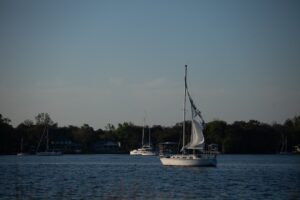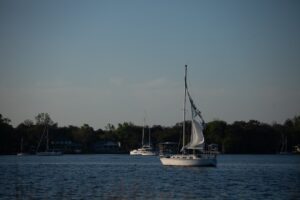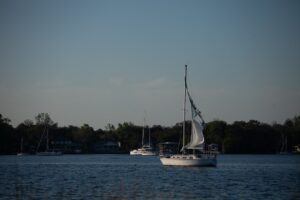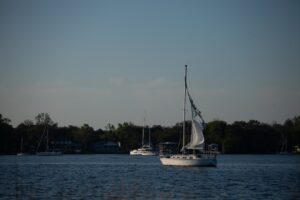
Night boating in Florida can be magical—the stars above, the calm water under your boat, and the freedom of being out on the water after sunset. But night boating also comes with serious safety challenges and legal requirements that every Florida boater must understand. Whether you're planning an evening cruise on Lake Okeechobee, navigating the Gulf Coast after dark, or heading out for a night fishing trip, you need to know and follow Florida's night boating rules. This guide covers everything you must know to boat safely and legally in Florida waters at night.
Why Night Boating Rules Matter in Florida
Florida's boating laws exist for one reason: keeping you and other boaters safe. Night boating presents unique hazards that don't exist during daylight. Reduced visibility, longer stopping distances, disorientation, and collision risks all increase dramatically when the sun goes down. The Fish and Wildlife Conservation Commission (FWC) enforces strict night boating requirements because boating accidents are more likely to be fatal at night. Following night boating rules isn't just legally required—it's essential for your safety and the safety of everyone on the water.
Florida's Required Navigation Lights for Night Boating
The foundation of safe night boating is having the proper navigation lights installed and operational on your boat. Florida boating law, aligned with U.S. Coast Guard (USCG) navigation rules, requires every vessel operating at night to display specific lights that tell other boaters what you're doing and where you are.
Masthead Light
The masthead light is your boat's forward light, visible from anywhere forward of your beam (the sides of your boat). This light must be at least 20 feet above the water on vessels 39 feet or longer, and at least 15 feet above the water on smaller boats. The masthead light must be white and visible for at least 2 nautical miles in clear weather. This light tells other boaters that you're underway and moving forward.
Sidelights (Port and Starboard Lights)
Sidelights are your boat's navigation lights on the left (port) and right (starboard) sides. The port light is red, and the starboard light is green. These lights are visible at a 112.5-degree angle from the front of your boat and tell other boaters which direction your vessel is heading. Sidelights must be visible for at least 1 nautical mile. If your boat is less than 20 meters (65 feet), you can combine the sidelights into a single bicolor light at the bow.
Stern Light
The stern light is your boat's white light at the back, visible from behind your boat. It must be visible for at least 2 nautical miles and shows other boaters that you're moving away from them. Unlike the masthead light and sidelights, which indicate a boat is underway and moving, the stern light is visible whether your boat is moving or at anchor.
All-Around Lights and Combination Lights
Some smaller boats use all-around white lights that are visible from all directions, or combination lights that incorporate multiple light functions in a single fixture. These are permitted under FWC regulations for vessels under certain sizes, but you must check your boat's specific requirements.
Anchor Lights: When Your Boat Is Stationary at Night
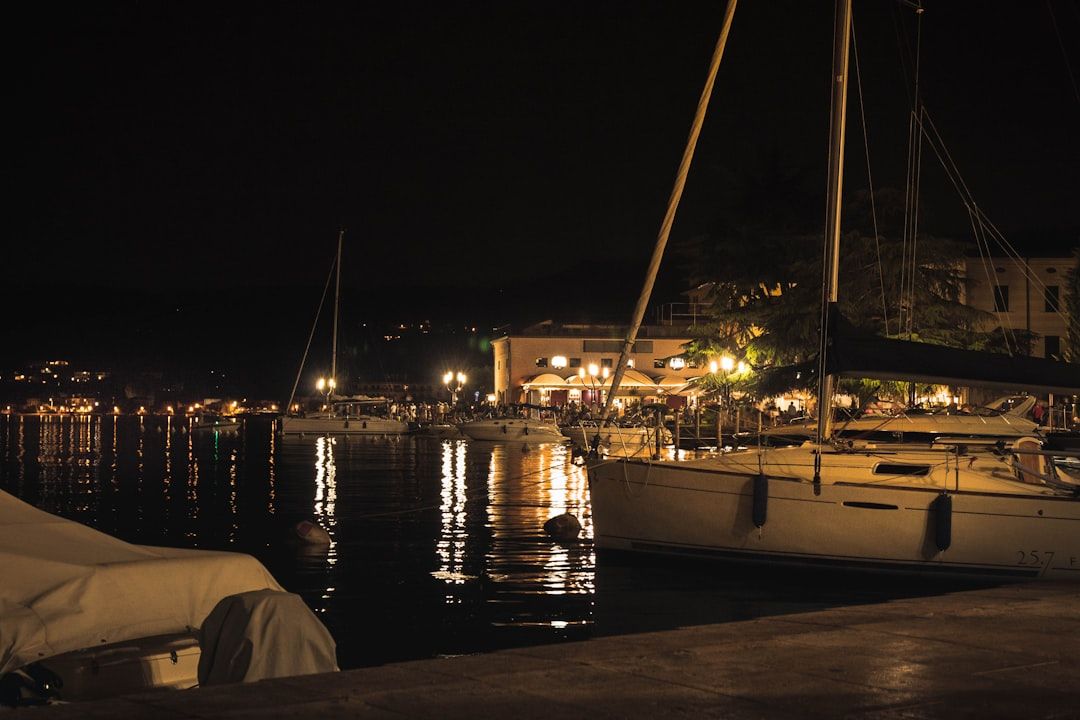
If you're anchored, moored, or drifting at night, your boat must display an anchor light—a single white light visible from all directions. This light warns other boaters that your vessel is stationary and they should avoid you. The anchor light must be positioned at least 7 feet above the water and visible for at least 2 nautical miles.
Florida boaters often anchor for the night during extended trips or when visiting favorite spots. Many anchored boats are struck by other vessels because they weren't displaying proper anchor lights. Installing a reliable anchor light and activating it at dusk is one of the most effective ways to prevent nighttime collisions.
Reduced Speed Rules During Night Boating
Florida law requires boaters to operate at reduced speed during nighttime hours to allow for greater visibility and reaction time. While Florida doesn't specify an exact "night speed," the law requires you to operate "at a speed reasonable and prudent for existing conditions, including darkness." This typically means:
- Reducing speed to half your normal daytime speed
- Operating slowly enough to stop within the distance you can see ahead
- Being prepared to stop quickly if hazards appear
The challenge of night boating is that you can only see as far as your navigation lights shine, which is typically just 100-200 feet ahead of your boat. At higher speeds, your boat will travel much farther than you can see before you can stop. FWC enforcement officers specifically target excessive night speed as a major violation during night patrols.
Right-of-Way and Navigation Rules at Night
The same right-of-way rules that apply during the day apply at night. However, at night, you have even less time to react when you encounter another vessel. Key night navigation rules include:
- Avoid crossing paths: If you see another boat's sidelights, you're on a collision course. Alter your course significantly to avoid the other vessel.
- Use your horn: Use your boat's horn to signal other boaters and acknowledge their presence, especially if visibility is limited.
- Stay in marked channels: In shallow or congested areas, stick to marked navigation channels where other boaters expect to find you.
- Monitor your radar: Many boaters use radar, GPS, and electronic navigation at night. If your boat has these systems, use them.
Boating Operator Responsibilities at Night
Every Florida boater operating a vessel at night must hold a valid boating certificate. This is the same requirement that applies during the day, but night boating makes your certificate even more important. You've taken a Florida boating safety course and proven you understand:
- How to recognize and interpret navigation lights
- Speed requirements and visibility limitations
- Proper operation of your boat's lighting systems
- Emergency procedures specific to night boating
If you don't have your Florida boating certificate, you cannot legally operate a vessel at night. If you're caught operating without a certificate at night, the penalties are severe—fines up to $500 and potential criminal charges.
FWC Enforcement of Night Boating Rules
The FWC takes night boating violations very seriously. Officers regularly conduct night patrols, especially during peak boating seasons and on weekends. Common violations they enforce include:
- Operating without required navigation lights
- Displaying improper or non-functional lights
- Exceeding reasonable speed for darkness
- Operating without a boating certificate
- Failing to display an anchor light
- Reckless operation at night
Most night boating violations result in citations with fines ranging from $100 to $500 per violation. Serious violations or repeat offenses can lead to arrest, the suspension of your boating certificate, or criminal charges.
Safety Tips for Night Boating in Florida
Beyond the legal requirements, here are practical safety steps every night boater should take:
- Check lights before departure: Test all navigation lights before leaving the dock. Ensure nothing is burned out or obstructed.
- Maintain batteries and generators: Boat electrical systems must be reliable. Dead batteries or failing generators will leave you without lights.
- Use a spotlight: A spotlight helps you scan the water ahead and signals other boaters. Use it responsibly and never shine it in other boaters' eyes.
- File a float plan: Tell someone where you're going, what route you'll take, and when you'll return. Night boating emergencies are harder to spot and respond to.
- Reduce alcohol consumption: Impairment is particularly dangerous at night when visibility is already limited.
- Wear a life jacket: Accidents happen faster at night, and rescue is harder. Always wear your life jacket.
- Use GPS and paper charts: Don't rely solely on memory or landmarks. Night boating in unfamiliar areas requires electronics and backup navigation.
- Slow down in congested areas: Even if night speeds seem reasonable to you, slow down near marinas, other boats, and obstacles.
Get Your Florida Boating Certificate Today
Whether you're planning your first night boating adventure or you're an experienced Florida boater, having a valid boating certificate is non-negotiable. Florida law requires every boater born after January 1, 1988 to carry proof of boating safety education. Night boating makes this requirement even more critical because you've demonstrated knowledge of navigation, lighting rules, and safety procedures.
Get your Florida boating license at TakeMyBoatTest.com. Our NASBLA–accredited course takes just 4-8 hours and provides a lifetime certificate. You'll learn everything Florida requires, including night boating rules, lighting, and emergency procedures. Once you complete the course, you can immediately start boating legally and safely in Florida waters—day or night.
FAQPage: Night Boating Rules in Florida
Q: What lights are required for night boating in Florida?
A: Every boat operating at night must display a masthead light (white), sidelights (red port, green starboard), and a stern light (white). These lights must be functional, properly positioned, and visible according to FWC regulations. Combination lights that meet USCG standards are permitted on smaller vessels.
Q: Do I need an anchor light if my boat is anchored?
A: Yes. Any vessel anchored, moored, or drifting at night must display a single white all-around light at least 7 feet above the water. This light must be visible for at least 2 nautical miles. Failure to display an anchor light violates Florida law and puts your vessel at serious risk of collision.
Q: What is the legal speed limit for night boating in Florida?
A: Florida law doesn't specify an exact night speed limit. Instead, you must operate at a speed "reasonable and prudent for existing conditions." This typically means reducing speed to half your daytime speed and ensuring you can stop within the distance you can see ahead. FWC officers strictly enforce excessive speed at night.
Q: Can I boat at night without a boating certificate in Florida?
A: No. Every boater must have a valid boating certificate. This applies 24/7, whether you're boating during the day or at night. If you were born after January 1, 1988, and you're caught operating without a certificate, you face fines up to $500 and criminal charges. Get your certificate from TakeMyBoatTest.com.
Q: What happens if my navigation lights aren't working?
A: Operating with non-functional navigation lights is a serious violation. FWC officers can cite you with a violation and order you to return to port immediately. If you're stopped and your lights are out, you cannot legally continue operating at night. Before every night trip, test all lights and carry spare bulbs.
Q: Is night boating more dangerous than daytime boating?
A: Yes. Most fatal boating accidents occur at night due to reduced visibility, longer reaction times, and operator fatigue. Following Florida's night boating rules—proper lights, reduced speed, and proper certification—dramatically reduces your risk of accident or injury.
Q: Do I need special training for night boating beyond my Florida boating certificate?
A: Your Florida boating certificate covers night boating rules and safety. However, many experienced boaters recommend additional training in night navigation, electronic equipment operation, and emergency procedures. Check with the FWC or local boating schools for advanced training options.
Q: Can I anchor overnight in Florida waters?
A: Yes, but you must display a proper anchor light and follow all FWC regulations for anchoring in specific waterways. Some areas have designated anchorages; others restrict overnight anchoring. Always check local regulations before anchoring for the night.
Ready to get your Florida boating license? Take My Boat Test offers a NASBLA-accredited online course approved by the Florida Fish and Wildlife Conservation Commission (FWC). Complete it in about 3 hours and get certified from home.