Boating safety certification requirements vary significantly from state to state. If you boat in multiple states or are planning to travel with your boat, understanding which states require boating licenses and what those requirements are is essential. This comprehensive guide covers boating license requirements across the United States so you know what's required wherever you boat.
Understanding State Boating Requirements
Each state in the U.S. has authority over boating safety education within its borders. While all states follow NASBLA (National Association of State Boating Law Administrators) guidelines, the specific requirements differ. Some factors that vary:
- Age requirements — When boaters must be certified
- Vessel types — What boats require certification
- Reciprocity — Whether out-of-state certifications are recognized
- Courses — What educational programs are approved
- Penalties — Fines and consequences for violations
States with Mandatory Boating Certification
Florida
Requirement: Anyone operating a motorboat in Florida born after January 1, 1988 must hold a valid Boating Safety Certificate.
What's Covered:
- Florida residents born after Jan 1, 1988
- Non-residents boating in Florida
- Renting boats in Florida
Exemptions:
- Those born on or before January 1, 1988
- Non-motorized vessels
Certificate Types:
- Lifetime Certificate ($39.97 online) — Permanent certification
- Temporary Certificate ($13.97) — Valid 30 days, useful for renters/visitors
- Renewal: Not required; certificate is valid for life
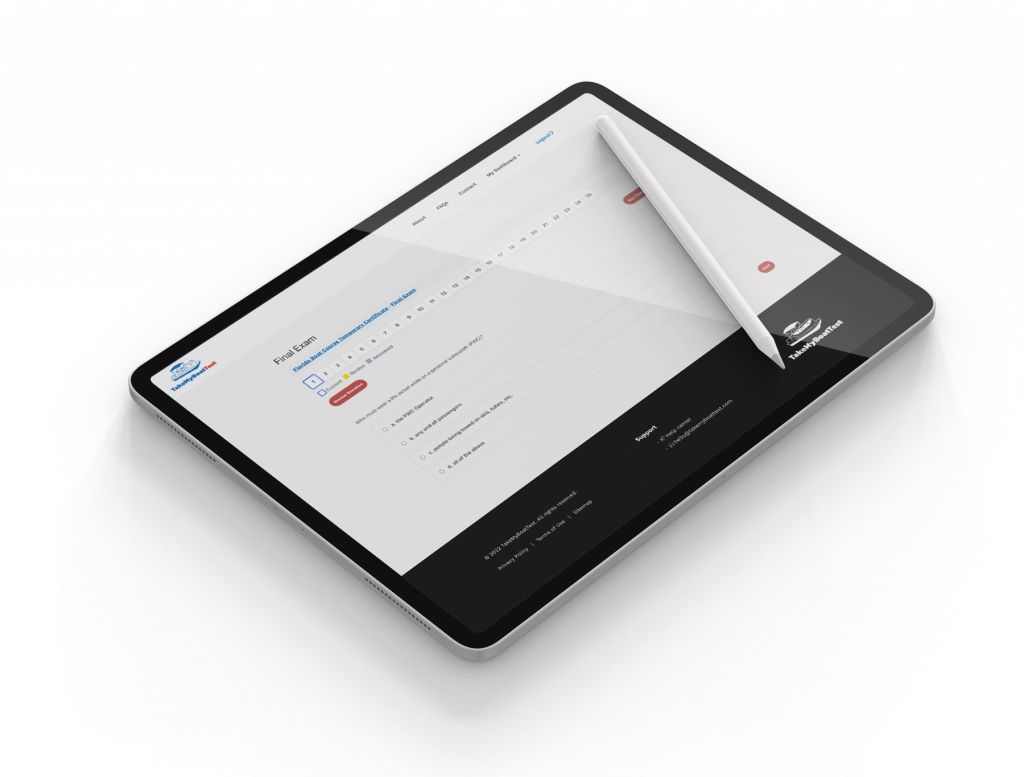
Where to Get Certified: Get your Florida Boating License online at TakeMyBoatTest.com.
California
Requirement: As of January 1, 2024, all motorboat operators must hold a valid California Boater Card.
What's Covered:
- All motorboat operators (phased in by birth year)
- Residents and non-residents
- Boat rental operators
Exemptions:
- Non-motorized vessels (kayaks, sailboats without motors)
Card Types:
- Lifetime Boater Card ($39.97 online) — Permanent certification
- No temporary option — Must complete full course to operate
Implementation Timeline:
- Born Jan 1, 2009 or later: Required (enforced since 2020)
- Born Jan 1, 1995-Dec 31, 2008: Required (enforced since 2022)
- Born before Jan 1, 1995: Required (enforced since 2024)
Where to Get Certified: Get your California Boating License online at TakeMyBoatTest.com.
Texas
Requirement: Anyone born after September 1, 1993 operating a motorboat must complete a boating safety course.
Certificate: Valid for life; no renewal required
Special Requirements:
- Course must be NASBLA-accredited
- Parent/guardian permission required for those under 17
Where to Get Certified: Texas Parks & Wildlife Department (TPWD) approved courses online or in-person.
New York
Requirement: Operators of personal watercraft (jet skis) born after January 1, 1988 require certification. For other motorboats, requirements vary by water body.
Exemptions: Varies by vessel type and water body; some motorboats do not require certification.
Certificate: Valid for life
Where to Get Certified: New York DEC approved courses.
New Jersey
Requirement: Born after January 1, 1984, boating safety certification required to rent boats or operate jet skis. Required for all operators in some counties.
Exemptions: Varies by water body and boat type
Where to Get Certified: NJDEP approved courses.
Washington
Requirement: Required for personal watercraft (PWC) operators born after January 1, 1988.
Certificate: Valid for life
Where to Get Certified: Washington State Parks approved courses.
States Without Mandatory Certification (But Offer Courses)
Many states don't mandate boating safety certification but strongly recommend it and offer approved courses:
Michigan
- No state mandate for general motorboat operation
- Personal watercraft operators may have requirements
- Safety courses available through Michigan DNR
Minnesota
- No statewide mandate (though some local waters may have requirements)
- Boating education available through DNR
- Strongly recommended for all operators
Illinois
- No mandatory requirement
- Recreational boating safety course available
- Recommended for all operators
Wisconsin
- No mandatory statewide requirement
- Safety course available through DNR
- Recommended for operators
Colorado
- No mandatory requirement
- Boating safety course available
- Recommended for all operators
Note: Even states without mandatory certification recognize NASBLA-accredited certificates from other states if you travel with your boat.
Age-Specific Requirements (Where They Exist)
Personal Watercraft (Jet Ski) Age Requirements
Many states with strict PWC requirements:
General Age Requirements:
- Ages 0-12: Cannot operate PWCs
- Ages 12-15: Can operate with adult supervision (varies by state)
- Ages 15+: Can operate with certification (varies by state)
- Age 18+: Can operate PWCs in most states (some require certification)
State Variations:
- Florida: PWC operators must be 14+ (supervision depends on boat type and age)
- California: PWC operators must be 16+ (with certification for newer operators)
- Texas: PWC operators must be 13+ (with parental permission)
- New York: PWC operators must be 18+ (with certification)
Young Operator Supervision Requirements
States with Supervision Rules (Common Pattern):
- Ages 0-12: No independent operation in any state
- Ages 12-15: Can operate small boats with adult supervision
- Ages 15-17: Can operate larger boats with restrictions (varies by state)
- Age 18+: Can operate any boat (if certified in state requiring it)
Specific Examples:
- Florida: 12-15 year-olds can operate boats under 15 HP with adult supervision (Chapter 327.02)
- California: 12-15 year-olds can operate boats under 15 HP with adult supervision
Reciprocity: Boating Between States
How Reciprocity Works
NASBLA Reciprocity:
- States recognize NASBLA-accredited certificates from other states
- This allows boaters to travel between states with one certification
- However, reciprocity is not automatic in all situations
Examples of Reciprocity:
- Florida certificate in other states: Generally recognized due to NASBLA accreditation
- California card in other states: Generally recognized due to NASBLA accreditation
- Out-of-state certificate in Florida: Generally accepted if NASBLA-accredited
- Out-of-state certificate in California: Generally accepted if NASBLA-accredited
Limitations:
- Some states may require you to have a specific state certificate
- Reciprocity varies for different boat types and situations
- Personal watercraft may have different reciprocity than motorboats
- Always verify before boating in a new state
States Without Mandatory Requirements
If you're boating in states without mandatory requirements, your out-of-state certificate:
- Proves you've had safety education
- May qualify you for boat rental in those states
- May provide insurance discounts
- But doesn't technically satisfy a "requirement" (because there isn't one)
Best Practice for Multi-State Boating
If you frequently boat in multiple states:
With Mandatory Requirement in One State:
- Get certified in the state where you boat most
- Verify reciprocity for other states
- If reciprocity doesn't apply, get certified in the second state
- Keep both certificates on file
For Boat Owners Traveling:
- Get a NASBLA-accredited certificate (recognizes you as educated)
- Verify reciprocity before traveling to new state
- Check for any additional requirements (personal watercraft, age-based, etc.)
Why Requirements Vary by State
Different Risk Factors by Region
- Cold water states emphasize hypothermia awareness
- River states emphasize current and navigation
- Coastal states emphasize ocean safety and rough water
- Lake states emphasize diving and fresh water concerns
Different Boating Populations
- States with more boating have stricter requirements
- Inland vs. coastal states have different priorities
- Tourism-heavy states may have different requirements for renters
Evolving Requirements
Boating safety requirements are continuously evolving:
- California implemented comprehensive Boater Card requirements in phases (2020-2024)
- Other states are considering similar requirements
- Requirements often increase over time, not decrease
Penalties for Not Having Required Certification
Penalties for operating a boat without required certification vary significantly:
Typical Penalties
First Offense:
- Fine: $50-$500 depending on state
- Citation: Recorded on record
- Possible course requirement: May be required to complete course before operating again
Repeat Offenses:
- Fine: $200-$1,000+
- Suspension: Boating privileges may be suspended
- Impound: Boat may be impounded in some cases
- Criminal charges: Possible in severe cases or with injuries
Examples
Florida Violations:
- Operating without certificate (born after 1988): $102 minimum fine
- Causing injury without certificate: Enhanced penalties
- Falsifying certificate: Criminal charges possible
California Violations:
- Operating without Boater Card: $250+ fine and possible vessel impound
- Providing boat to uncertified operator: Additional penalties
- Repeat violations: Increased fines and possible criminal charges
Special Boating Categories and Requirements
Commercial Boating
Commercial boat operators have different requirements:
- May require captain's license
- More extensive training required
- Different regulations than recreational boating
- Insurance and liability requirements
Charter Boats
Charter boat operators:
- Typically require captain's license
- May have crew certification requirements
- Different safety regulations
- Coast Guard oversight possible
Rental Boats
Rental boat operator requirements:
- May require boating safety certification
- Some states allow renters without certification
- Rental companies may add their own requirements
- Temporary certificates often used by renters
How to Check Requirements for Your State
Official Resources
- State Parks and Recreation Department — Usually oversees boating
- State Division of Motor Vehicles — May oversee boat registration
- State DNR (Department of Natural Resources) — May oversee boating regulations
- Official state government website — Search "boating requirements"
Typical Websites
- Florida: Fish and Wildlife Conservation Commission (myfwc.com)
- California: Department of Boating and Waterways (dbw.parks.ca.gov)
- Texas: Texas Parks and Wildlife Department (tpwd.texas.gov)
- New York: New York Department of Environmental Conservation (dec.ny.gov)
If You're Unsure
- Ask at marina or boat rental shop
- Contact local boating authorities
- Check with boat insurance company
- Ask experienced local boaters
FAQ: Boating License Requirements by State
Q: If I have a Florida boating certificate, can I boat in all 50 states?
A: Your Florida certificate proves you've had boating safety education and is NASBLA-accredited, so it's recognized in many states. However, some states have specific requirements, so always verify before boating in a new state.
Q: Do I need a boating license in my home state if I'm traveling elsewhere?
A: Depends on your home state. If your state has a requirement, you need it. If not, you should still consider getting one for reciprocal recognition elsewhere.
Q: What's the difference between a boating license and certificate?
A: These terms are often used interchangeably. Technically, Florida issues a "certificate," and California issues a "card," but both are boating safety credentials.
Q: Can I boat internationally with my U.S. boating certificate?
A: Most countries recognize boating education, but specific requirements vary. If traveling internationally, contact the destination country's maritime authority.
Q: Are older boaters exempt from certification?
A: Some states (like Florida) exempt those born before a certain date. Check your specific state's requirements.
Q: If my state doesn't require certification, do I still need it?
A: Not legally required, but boating education is recommended for all boaters regardless of state requirements. Insurance companies may offer discounts for certification.
Q: How do I know if my boating certificate from another state is valid here?
A: Contact the state's boating authority or check their website. NASBLA-accredited certificates are generally recognized, but exceptions exist.
Q: Can I get a boating license if I haven't boated before?
A: Yes. Boating courses are designed for all skill levels, from beginners to experienced boaters.
Q: What if I only boat occasionally or take a boat rental vacation?
A: Many states offer temporary certificates (like Florida's 30-day option). Check your destination state for temporary certification options.
Q: Are boating license requirements the same for sailboats and motorboats?
A: Typically, requirements apply to motorboats. Non-motorized vessels like sailboats are often exempt, though some states have different requirements.
Get Certified for Your Boating Area
Whether your state requires boating certification or not, getting properly educated before heading on the water is essential. Understanding state requirements where you boat helps you stay legal and safe.
For Florida boaters: Get your Florida Boating License at TakeMyBoatTest.com.
For California boaters: Get your California Boating License at TakeMyBoatTest.com.
Our NASBLA-accredited courses meet all state requirements and provide boating safety education that works everywhere you boat.