If you need to get your boating safety certification, you probably have options: take the course online, attend an in-person classroom, or maybe a combination. But which approach is right for you? Online and in-person boating safety courses both have advantages and disadvantages, and choosing the right one depends on your learning style, schedule, and needs. This guide compares online and in-person boating safety courses so you can make an informed decision.
Quick Comparison: Online vs In-Person Boating Safety Courses
| Factor | Online | In-Person |
|---|---|---|
| Flexibility | High—study when you want | Low—fixed schedule required |
| Pace | Self-paced, can take days or weeks | Fixed pace, typically 4-8 hours |
| Cost | Usually $30-$50 | Usually $50-$100+ |
| Interaction | Limited; mostly self-directed | High; instructor and classmates present |
| Learning Style | Best for independent learners | Best for interactive learners |
| Technical Requirements | Computer or device required | None; physical location required |
| Time Commitment | Can spread over time | Concentrated into 1-2 days |
| Hands-On Practice | Limited | More hands-on opportunities |
| Accessibility | Easy—from home | Requires travel to location |
| Accreditation | Many NASBLA-accredited options | Many NASBLA-accredited options |
Online Boating Safety Courses
What Are They?
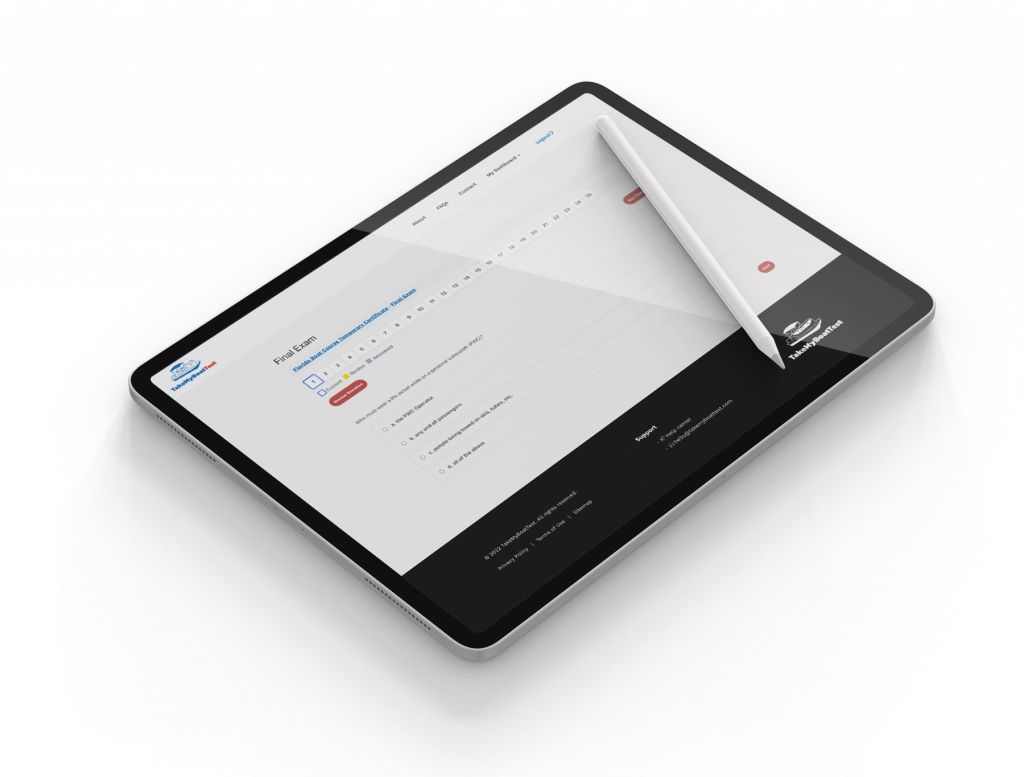
Online boating safety courses are internet-based educational programs that teach boating safety through digital content. Students access the course from a computer, tablet, or smartphone and work through modules at their own pace. Online courses combine text, videos, interactive elements, and quizzes to teach boating safety concepts.
Advantages of Online Courses
Flexibility and Convenience
The biggest advantage of online boating safety courses is flexibility. You can:
- Study whenever it fits your schedule
- Work at your own pace—slow down on difficult topics, move quickly through easier ones
- Study from home, at work, or anywhere with internet access
- Pause and resume the course without losing progress
- Balance boating education with other responsibilities
Lower Cost
Online boating safety courses typically cost $30-$50, compared to $50-$100+ for in-person classes. Since no physical classroom is required and instructors can teach many students simultaneously, online courses are more economical.
Faster Completion
Many online courses can be completed in a single day. If you're motivated and have a few uninterrupted hours, you can finish the entire course and get your certification the same day.
No Travel Required
You don't need to drive to a classroom or find parking. You study from wherever is convenient—home, office, or on vacation.
Accessible to People with Mobility Issues
For people with physical disabilities or mobility challenges, online courses eliminate transportation and accessibility barriers.
24/7 Availability
Most online course platforms are available around the clock. You can start at midnight if that's when you're available.
Disadvantages of Online Courses
Requires Self-Discipline
Online courses work best for self-motivated learners. If you need external structure or accountability, you might struggle to stay on track.
Minimal Interaction
You're learning alone without an instructor or classmates to interact with. If you have questions, you might need to wait for email support rather than getting immediate answers.
Technical Requirements
You need a computer, tablet, or smartphone with internet access. If you're not tech-savvy, navigating an online platform might be frustrating.
Limited Hands-On Experience
Boating is hands-on, but online courses are mostly theoretical. You won't get practical experience with actual boats or equipment.
Potential Distractions
At home, distractions (phone, TV, family) are everywhere. Maintaining focus can be challenging.
Requires Strong Reading Skills
Online courses rely heavily on reading. If reading is difficult for you, this format might not work well.
In-Person Boating Safety Courses
What Are They?
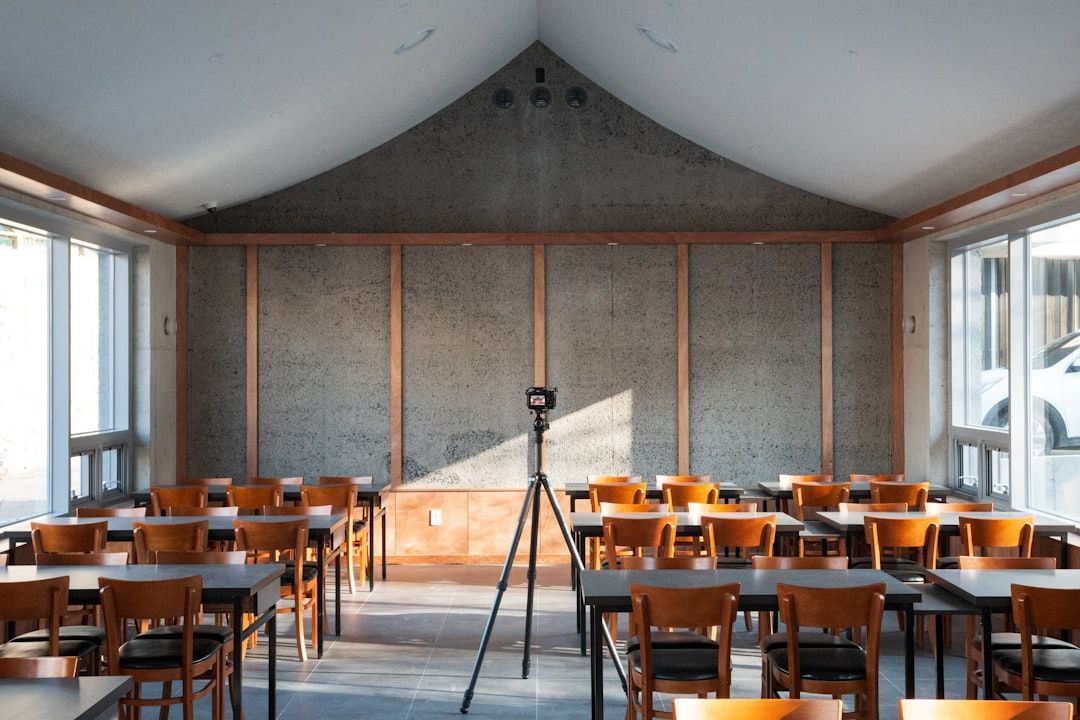
In-person boating safety courses are classroom-based educational programs where students attend classes with an instructor and other students. These courses typically last 4-8 hours and can be completed in one or two days. In-person courses combine lecture, discussion, demonstrations, and sometimes hands-on activities.
Advantages of In-Person Courses
Direct Instructor Interaction
You can ask questions immediately and get real-time answers. An experienced instructor can clarify confusing concepts and provide context that helps you understand material better.
Structured Learning Environment
The classroom environment provides structure and accountability. You're more likely to stay focused when you're in a physical class with an instructor and other students.
Peer Learning
Learning alongside other students creates opportunities for discussion and shared learning. You can learn from others' questions and perspectives.
Hands-On Demonstrations
In-person instructors can demonstrate equipment, show videos, and conduct activities that illustrate boating safety concepts in ways online courses can't.
More Engaging
For many learners, in-person instruction is more engaging than reading on a screen. The variety of instructional methods helps maintain attention and retention.
Better for Complex Concepts
Some boating concepts are complex (navigation rules, right-of-way situations). Direct instruction often makes these easier to understand.
No Technology Needed
You don't need a computer or internet connection. You just show up and learn.
Immediate Feedback
Instructors can provide immediate feedback on your understanding and help correct misunderstandings before they become ingrained.
Disadvantages of In-Person Courses
Fixed Schedule
In-person courses happen at specific times. If those times don't work with your schedule, you're out of luck until another course is offered.
Higher Cost
In-person courses typically cost $50-$100 or more, significantly more than online options.
Travel Required
You need to travel to the classroom location, find parking, and adjust your schedule around course timing.
Concentrated Time Commitment
Most in-person courses require 4-8 hours on one or two days. If you prefer spreading learning over time, this compressed schedule might feel overwhelming.
Less Flexibility
You can't pause, rewind, or revisit material once the class is done. If you miss something, it's gone.
Weather and Emergencies
Bad weather, illness, or emergencies might prevent you from attending, and you'd miss the entire course.
Not Ideal for Introversion
Some people feel uncomfortable in group settings. Shy or introverted learners might find classroom environments stressful.
Limited Geographic Accessibility
In-person courses are only available where they're offered. If no courses are nearby, your only option is travel.
How to Choose: Online or In-Person?
Choose Online If:
- You have a flexible schedule — You can't commit to a specific time
- You're self-motivated — You don't need external structure to stay focused
- You prefer independent learning — You learn best at your own pace
- Cost is important — You want the least expensive option
- You need convenience — You prefer learning from home
- You want to complete quickly — You can dedicate a few uninterrupted hours
- Geographic location is a barrier — No in-person courses are near you
- You're tech-comfortable — You're at ease using computers and online platforms
Choose In-Person If:
- You need structure — You learn better with external accountability
- You want interaction — You prefer questions answered in real-time
- You're not tech-savvy — Computers and online platforms frustrate you
- You're a hands-on learner — You learn best through demonstrations and activities
- You prefer concentrated instruction — You like learning in focused time blocks
- You want peer learning — You benefit from learning with others
- You struggle with self-discipline — You need someone keeping you accountable
- You prefer not to stare at screens — You want a break from technology
What Matters Most? Content and Accreditation
Regardless of whether you choose online or in-person, the most important factor is content quality and accreditation. Both online and in-person boating safety courses can be NASBLA-accredited and meet state requirements. What matters is:
- Is the course NASBLA-accredited? Both online and in-person should be.
- Is it approved by your state? Florida courses should be FWC-approved; California courses should be DBW-approved.
- Does it cover the required topics? Boating safety, navigation rules, PFDs, equipment, emergencies, etc.
- Is the instruction quality high? Look for reviews and ratings from past students.
A high-quality online course will teach you just as much as a quality in-person course. The delivery method matters less than the content and your commitment to learning.
Hybrid Options: Best of Both Worlds
Some providers offer hybrid courses combining online and in-person elements:
- Online + optional classroom session — You complete most coursework online but can attend an optional in-person session for interaction
- Part online, part in-person — Some content is online (like reading and videos), and some is classroom-based (like discussions and demonstrations)
- Online with live streaming — You watch course content live online with an instructor, combining flexibility with interaction
These hybrid options can be ideal if you want flexibility but also value interaction.
FAQ: Online vs In-Person Boating Safety Courses
Q: Are online boating safety courses as good as in-person courses?
A: If both are NASBLA-accredited and well-designed, yes. Content quality matters more than delivery method. A high-quality online course will teach you just as much as a good in-person course.
Q: Can I get a valid boating certificate from an online course?
A: Yes, if the course is NASBLA-accredited and approved by your state. The certificate is just as valid as one from an in-person course.
Q: How long does an online boating safety course take?
A: Most online courses can be completed in 4-8 hours, though you can spread this over several days or weeks. Some courses have time limits (e.g., must complete within 30 days), so check with the provider.
Q: Is an online boating course harder to pass than in-person?
A: Not necessarily. Both online and in-person courses have exams. The difficulty depends on the specific course and exam, not the format.
Q: What if I have internet problems while taking an online course?
A: Most online course platforms let you resume where you left off if you disconnect. Your progress is saved. However, some exams have time limits or can't be paused, so read the provider's policies.
Q: Can I take an online course if I'm not tech-savvy?
A: It depends on the platform. Some are more user-friendly than others. If technology makes you anxious, an in-person course might be better. However, many online courses are designed to be easy to navigate.
Q: Are in-person courses more expensive because they're better?
A: No. In-person courses are more expensive because of overhead (instructor time, facility costs, materials). Cost doesn't reflect quality; a less expensive online course can be equal or superior in quality.
Q: Can I take an in-person course and then take an online course in another state?
A: You might not need to. If you have a NASBLA-accredited certificate from one state, many other states recognize it. Check if reciprocity applies before enrolling in another course.
Q: Will my employer or insurance company prefer one format over the other?
A: Most employers and insurance companies care about whether your certification is NASBLA-accredited and valid in your state, not the format you took.
Q: Can I take a boating course online if I've never boated before?
A: Yes, both online and in-person courses are designed for beginners. No prior experience is required.
Q: How do online courses proctor exams?
A: Most online courses have automatic proctoring using webcams or monitoring software. Some allow un-proctored exams. Check the specific course provider's policies.
Get Certified—Choose Your Format
Whether you choose online or in-person, the important thing is getting proper boating safety certification. Both formats, when quality and accredited, will prepare you to boat safely and legally.
Ready to get your boating certification?
-
For Florida: Get your Florida Boating License online at TakeMyBoatTest.com. Our online course is NASBLA-accredited, FWC-approved, and can be completed in a few hours.
-
For California: Get your California Boating License online at TakeMyBoatTest.com. Our online course is NASBLA-accredited, DBW-approved, and flexible to fit your schedule.
Choose the format that works for you, but choose quality and accreditation above all else.