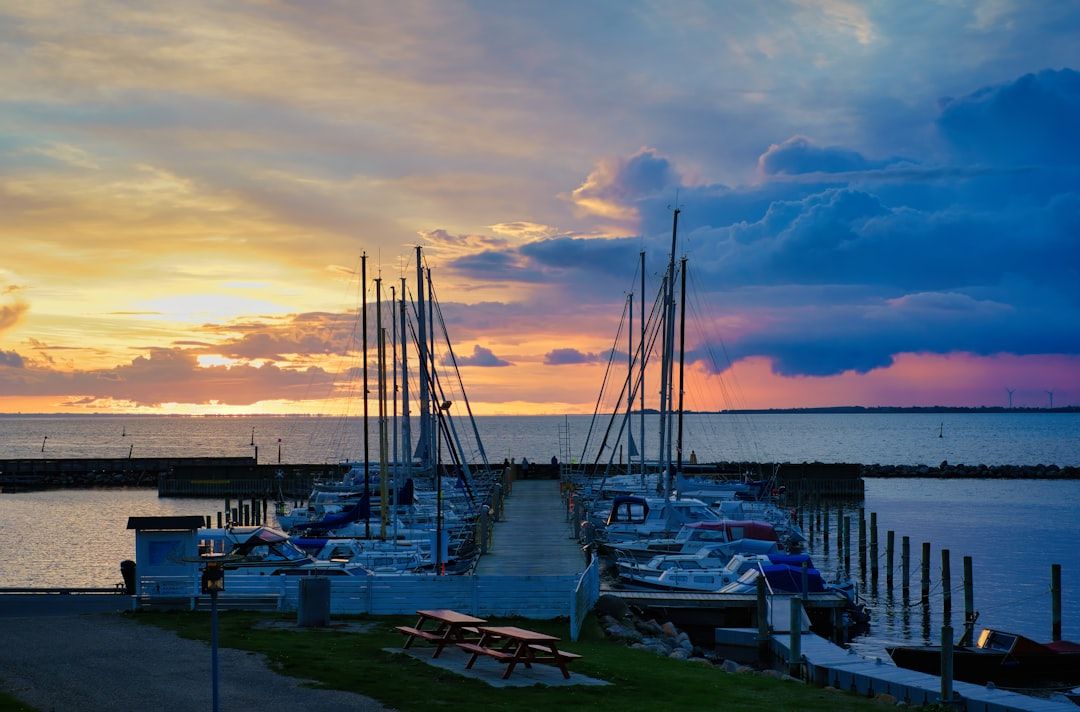
Boating laws are clear—they're written down, enforced, and violations carry penalties. But boating etiquette is different. Etiquette is the set of unwritten rules that experienced boaters follow to share the water respectfully, safely, and pleasantly. While not legally required, knowing boating etiquette marks you as a respectful boater and contributes to a positive boating community. This guide covers the essential unwritten rules of boating courtesy and respect.
Why Boating Etiquette Matters
The water is a shared resource. Unlike a car on a road you own, boaters are sharing limited water space with other boaters, fishermen, swimmers, paddlers, and others. Boating etiquette ensures everyone can enjoy the water safely and respectfully. Boaters who follow etiquette are welcomed in harbors and marinas; those who don't are often frowned upon or asked to leave.
Wave and Wake Etiquette
Understanding Wake Damage
Wakes from larger, faster boats can damage smaller vessels, erode shorelines, and disrupt anchored boats. Beyond property damage, wakes can flip small boats or knock people overboard. Responsible wake management is central to boating etiquette.
Speed Zone Etiquette
In No-Wake Zones:
- Operate at minimum speed necessary to maintain steerage
- Typically defined as 5-10 mph (varies by location)
- Includes areas near docks, marinas, and residential waterfront
- Non-negotiable—these zones protect swimmers, waders, and anchored boats
When Passing Other Boats:
- Slow down as you approach
- Avoid passing at high speed near other vessels
- Keep your wake clear of other boats
- Give other boaters plenty of space as you pass
When Anchored or Moored:
- Recognize that some boats are stationary
- Reduce speed when near anchored or moored vessels
- Never create excessive wake near others' boats
- Anticipate that boats may swing with tide/wind
Near Swimmers and Paddlers:
- Very slow speed (idle) near swimmers
- Never operate near paddleboards or kayaks at speed
- Give swimmers and paddlers wide berth
- Err on the side of caution when uncertain
Responsible Wake Creating
For larger boats that inevitably create wakes:
- Acknowledge your boat's wake impact
- Operate at slower speeds than the technical limit allows
- Consider other water users when choosing your speed
- Thank other boaters who make room for your larger wake
Anchoring and Mooring Etiquette
Respecting Anchored Vessels
Don't Anchor Close to Others:
- Maintain adequate distance (typically 3-4 boat lengths minimum)
- Consider swing radius when anchored boats swing with current/wind
- Don't anchor inside another boat's swing zone
- If the anchorage is crowded, look for a different location
Don't Create Wake Near Anchored Boats:
- Slow down as you approach anchored vessels
- Reduce speed to near-idle for no-wake
- Your wake bouncing off an anchored boat can be frustrating for others
- Never anchor so close that you create wake disturbance
Respecting Mooring Fields:
- Don't pass close to moored boats
- Don't anchor in mooring fields (buoys are reserved for boats using them)
- Slow down in areas with dense mooring
Space Claiming Etiquette
First Come, First Served:
- The boater who arrives first gets the preferred spot
- Don't try to squeeze in closer than comfortable spacing
- Respect that others arrived before you
- Accept second-choice locations gracefully
Don't Block Access:
- Don't anchor where you block others' access to docks or channels
- Ensure other boats can still navigate past you
- Consider water traffic patterns when choosing anchorage
Fishing and Water Activity Etiquette
Fishing Area Courtesy
Respecting Fishing Boats:
- Don't anchor or fish in established fishing areas
- If you must pass through, idle and announce yourself
- Don't disturb fishing patterns with excessive speed or noise
- Give fishing boats preference for calm water
Fishing from Non-Motor Vessels:
- Paddleboarders and kayakers also need respect
- Slow down when passing paddleboards
- Don't create wake near kayaks or paddleboards
- These quieter users have priority in peaceful anchorages
Water Sports Etiquette
Giving Space:
- Water skiers and wakeboard tow boats need open water
- Don't fish or anchor in areas where people are water skiing
- Recognize that tow boats need clear corridors
- Watch for water sports areas and stay clear
Respecting Rope and Equipment:
- If skiers or boarders are in water, stay well back
- Never get near ski ropes or tow equipment
- Don't anchor where ski rope might catch your anchor
- Be aware of water sports happening and give them room
Docking and Marina Etiquette
Arriving and Departing
On Arrival:
- Enter the marina slowly and carefully
- Watch for traffic going the opposite direction
- Acknowledge and return waves from marina staff
- Follow marked channels and speed limits
Finding a Slip:
- Approach docking area slowly
- Signal for help if you need docking assistance
- Accept help gracefully if offered
- Thank marina staff and other boaters who help
Departing:
- Notify marina staff when leaving
- Leave slowly and carefully
- Return a wave as you head out
- Don't create excessive wake in marina
Raft-Up Etiquette (When Boats Tie Together)
Permission:
- Always ask before rafting up (tying alongside) to another boat
- Don't assume you can tie to someone else's boat
- Accept "no" gracefully without offense
- Reciprocate permission when others ask
Behavior While Rafted:
- Keep noise levels reasonable
- Respect the other boat's space and privacy
- Don't transfer across another boat without permission
- Monitor for weather changes that might make raft-up unsafe
- Be first to help if conditions become concerning
Noise and Nuisance Etiquette
Keeping Noise Reasonable
Music and Entertainment:
- Keep music/speakers at conversational volume
- Don't blast music early morning or late evening
- Be considerate of boaters trying to relax or sleep
- Turn it down when near anchored boats or residential waterfront
Engine and Equipment Noise:
- Avoid unnecessary loud engine operation (revving, excessive throttle)
- Silence water sports equipment when not in use
- Don't run generators at excessive volume late at night
- Consider quiet times in residential areas (typically after dusk)
Communication:
- Hail other boats respectfully on VHF
- Don't monopolize radio channels with unnecessary chatter
- Use proper radio procedures (see VHF etiquette below)
- Acknowledge and return greetings kindly
Respecting Quiet Time
- Many waterfront residential areas expect quiet after sunset
- Some anchorages have informal quiet hours
- Experienced boaters recognize these unwritten rules
- Respect the local boating culture
VHF Radio Etiquette
Hailing Other Boats
Proper Technique:
- Switch to Channel 16 (hailing channel)
- Hail the other boat by name (e.g., "Sailing vessel Blue Horizon, this is motor vessel My Time")
- Wait for response
- Switch to working channel (usually 9) when other boat responds
- Complete your communication
What's Acceptable to Hail:
- Ask for weather information
- Request fishing advice or tips
- Arrange social gathering or meal together
- Coordinate navigation help if needed
- Report emergencies or safety issues
What's Not Acceptable:
- Frivolous chatter on Channel 16
- Asking about fuel prices or shopping recommendations
- Non-boating related business discussions
- Monopolizing the channel
Mayday and Security Calls
- Mayday = Life-threatening emergency (immediate help needed)
- Pan-Pan = Urgent but not life-threatening (medical issue, engine failure)
- Security = Warning of hazard (debris, weather, navigation danger)
- Only use these when appropriate
- Keep message brief and clear
- Allow other vessels to respond if local help isn't immediately available
Environmental Etiquette
Fuel and Waste Management
Preventing Pollution:
- Never discharge oil or fuel overboard
- Don't dump garbage, especially plastics and glass
- Use appropriate facilities to dispose of waste
- Carry trash off the water
Fuel Handling:
- Avoid spilling fuel when refueling
- Never refuel when others are near (fuel spill hazard)
- Be careful with fuel transfers
- Ask nearby boats to move away from fuel hazards
Respecting Protected Areas
Marine Sanctuaries and Seagrass Beds:
- Don't anchor in seagrass—it damages marine habitat
- Avoid protected coral and kelp areas
- Follow zone restrictions for marine sanctuaries
- Don't feed or disturb marine wildlife
Anchoring Etiquette:
- Don't drag anchor through seagrass
- Consider bottom type when anchoring (sandy/muddy preferred)
- Know where sensitive areas are in your boating region
- Position anchor to minimize habitat damage
Social Etiquette
Greeting Other Boaters
Wave and Acknowledge:
- Wave to other boaters, especially in smaller boats
- Return waves and greetings kindly
- Acknowledge other boat captains with respect
- A friendly wave costs nothing and builds community
Offering Help:
- Help other boaters who appear to be in trouble
- Offer jump-starts, fuel, or direction if asked
- Don't expect payment for basic assistance
- Accept gratitude graciously
Guest Etiquette (If You're the Guest)
As a Guest Aboard:
- Ask before touching equipment or going below deck
- Respect the owner's boat as their space
- Help without being asked (watch for anchoring, help dock)
- Offer to bring snacks or beverages
- Send a thank-you message afterward
Respecting the Owner's Boat:
- Don't move equipment or supplies without permission
- Don't adjust navigation or engine settings
- Be careful not to damage or mark surfaces
- Clean up after yourself
Meeting Expectations at Anchorages and Destinations
Respecting Anchorage Culture
Different Anchorages Have Different Cultures:
- Some are party-friendly; others are quiet/family-oriented
- Some focus on fishing; others are cruiser anchorages
- Ask other boaters about local etiquette norms
- Adapt to the culture of the anchorage you're in
Popular Destinations:
- Some anchorages are known for socializing
- Others expect quiet, self-sufficient behavior
- Research destination before arriving
- Ask locals (marina staff, other boaters) about expectations
The "Bow Dive" Norm
- In warm-water anchorages, many boaters swim from their boats
- Don't be offended if neighbors swim off their boats
- It's normal and accepted in many boating communities
- Swimming/snorkeling etiquette: Don't approach other boats while swimming
FAQ: Boating Etiquette and Courtesy
Q: Is boating etiquette actually important?
A: Yes. While not legally required, etiquette reflects respect for others and the boating community. Boaters who follow etiquette are welcomed everywhere; those who don't are often resented.
Q: What if I didn't know about a boating etiquette rule?
A: Most boaters understand that newcomers are learning. If someone corrects you, take it as helpful guidance rather than criticism. Apologize, thank them, and adjust your behavior.
Q: Do experienced boaters expect perfection?
A: No. Experienced boaters understand that everyone makes mistakes. They're forgiving of honest errors but intolerant of obviously disrespectful behavior.
Q: Is it rude to ask other boaters for advice?
A: Absolutely not. Most boaters are happy to share knowledge and tips. Asking questions shows respect and a willingness to learn.
Q: What if another boater is being disrespectful to me?
A: Most boaters are kind. If someone is genuinely disrespectful, the best response is to move away (different anchorage, different time), not engage in conflict, and report serious violations to authorities.
Q: Are there different etiquette rules for sailboats vs motorboats?
A: Generally similar etiquette applies. However, sailboats have some advantages in right-of-way rules, and experienced boaters understand this.
Q: Is it acceptable to anchor wherever I want?
A: Generally, yes, if it's legal and safe. However, etiquette suggests finding uncrowded spots or leaving adequate space from others.
Q: How loud is too loud for a boat engine or generator?
A: If you have to shout to be heard across your boat, it's too loud for quiet anchorages. Run generators during daylight hours when possible.
Q: Should I offer to help other boaters?
A: Yes. If you see someone struggling, offering help shows respect. However, always ask before actually helping—don't assume they want help.
Q: What makes a boater respected in the community?
A: Respect other boaters and the environment, follow safety and etiquette rules, help when asked, communicate clearly and respectfully, and acknowledge mistakes gracefully.
Learn More About Boating Community
Boating etiquette develops through experience and learning from other boaters. Taking a boating safety course helps you understand not just rules but also the culture and values of the boating community.
Get your Florida Boating License or Get your California Boating License at TakeMyBoatTest.com. Our courses cover not just safety regulations but also the principles of being a respectful, confident member of the boating community.