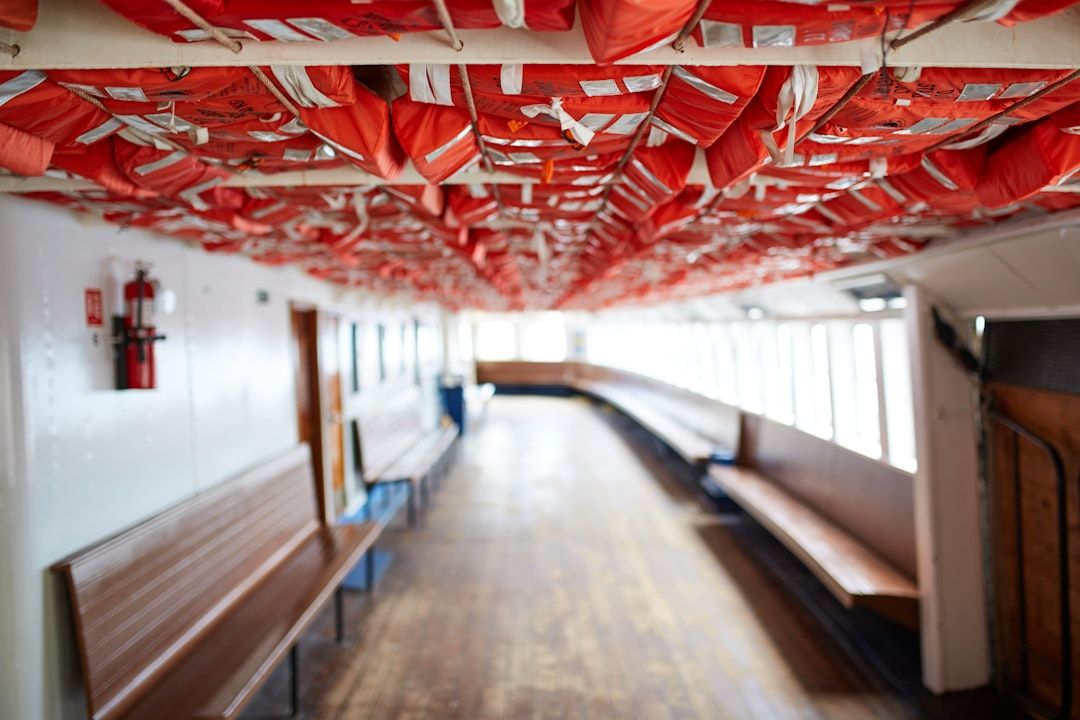
Before you cast off, do you have all the safety equipment your boat needs? Federal law requires certain equipment on every motorboat, and having it—accessible and in working condition—could save your life. This comprehensive checklist covers all the essential boating safety equipment you need in 2025, plus practical guidance on selection, maintenance, and storage.
Why Boating Safety Equipment Matters
Boating safety equipment is your backup plan when things go wrong. Equipment can't prevent accidents, but it can prevent accidents from becoming tragedies. From life jackets that keep you afloat to fire extinguishers that prevent boat fires from becoming disasters, safety equipment is your insurance policy on the water.
U.S. Coast Guard Required Equipment by Boat Size
The U.S. Coast Guard sets minimum equipment requirements based on vessel length. Here's what's required:
Boats Under 16 Feet
Minimum Federally Required:
- One Type I, II, or III wearable personal flotation device (PFD) per person aboard
- A minimum of one Type IV throwable PFD (ring buoy, cushion, or buoyant vest)
- A fire extinguisher (not required if boat has no galley stove, no enclosed fuel tank, no fuel lines, no cabins with fuel tanks)
Note: Boats under 16 feet exempt from "capacity plate" requirements may differ
Boats 16-26 Feet
Minimum Federally Required:
- One Type I, II, III, or V wearable PFD per person aboard
- A minimum of one Type IV throwable PFD
- At least one Coast Guard-approved fire extinguisher (one 5-B rated or two 2-B rated)
- A visual distress signal (flares, mirror, flag, or light) for daytime use
- A bell or horn for sound signals
Boats 26-40 Feet
Minimum Federally Required:
- One Type I, II, III, or V wearable PFD per person aboard
- At least one Type IV throwable PFD
- At least two Coast Guard-approved fire extinguishers (minimum 1 five-B rated or 2 two-B rated) – more required if multiple fuel tanks or large enclosed areas
- A visual distress signal (nighttime: flares, light; daytime: flares, light, or flag)
- A bell and horn for signaling
Boats Over 40 Feet
Minimum Federally Required:
- One Type I, II, III, or V wearable PFD per person aboard
- At least two Type IV throwable PFDs
- Multiple fire extinguishers (at least 3; more required based on enclosed spaces and fuel systems)
- A visual distress signal (daytime and nighttime capability)
- A bell and horn for signaling
- Additionally: oxygen, first aid kits, and other equipment for vessels carrying passengers
Essential Safety Equipment Checklist
1. Personal Flotation Devices (Life Jackets)
What You Need:
- One approved Coast Guard-certified PFD per person aboard (not just required, but essential!)
- At least one additional wearable PFD for unexpected passengers
- One Type IV throwable PFD (ring buoy, cushion, or buoyant vest) accessible from helm
Types Available:
- Type I (Offshore) — Turns most unconscious wearers face-up; best for rough, remote waters
- Type II (Near-Shore) — Similar to Type I but less likely to turn face-up; good for protected waters
- Type III (Flotation Aids) — Most comfortable for active use; excellent for water sports
- Type V (Special Use) — For specific activities (skiing, kayaking, etc.); each type is designated
Selection Tips:
- Choose sizes and models appropriate for expected users (children, adults)
- Test fit on each person—PFDs must fit properly to work
- Check weight limits and size ranges
- Look for comfortable models to encourage wearing
2. Fire Extinguishers
What You Need:
- Boat under 16 feet: typically one 5-B rated or equivalent
- Boat 16-26 feet: minimum one 5-B rated or two 2-B rated
- Boat over 26 feet: multiple extinguishers (number depends on boat size and fuel configuration)
Key Points:
- Check pressure gauge regularly (should be in green zone)
- Know how to use them (Pull, Aim, Squeeze, Sweep)
- Store in accessible locations away from likely fire sources
- Replace or refill after any use
- Check expiration dates regularly
Types for Boats:
- B-I Type — For small fires involving gas or electrical
- B-II Type — For moderate fires
- Multipurpose ABC — Works on most boat fires
- Check Coast Guard approval labels
3. Visual Distress Signals
What You Need:
- Day signaling: Three orange flares, one orange flag (at least 3' x 3'), or one approved signal mirror
- Night signaling: Three red flares or approved light signaling device
- Most practical: Combination day/night signaling capability
Options:
- Handheld flares (check expiration dates)
- Aerial flares for greater visibility (night)
- Signal mirror (daylight only, but never expires)
- Orange distress flag
- Electric signaling light (night only)
Storage:
- Keep in waterproof, accessible container
- Check expiration dates regularly
- Replace expired flares before they expire
- Store away from water/spray to prevent deterioration
4. Navigation Lights (If Boating at Night)
What You Need:
- Masthead light (white light, visible 360 degrees, at least 2 miles away)
- Sidelights (red on port/left, green on starboard/right, visible 1 mile away)
- Stern light (white, visible 2 miles away)
- Some boats use all-round white light instead of masthead + stern
Key Points:
- Lights must be Coast Guard-approved
- Check that all lights work before nighttime boating
- Know right-of-way rules and what lights mean
- Understand your boat's lighting configuration
5. Sound Signaling Devices
What You Need:
- Boat under 12 meters: Whistle or Horn
- Boat 12-20 meters: Whistle and Horn
- Boat over 20 meters: Whistle and Bell, plus Horn
Options:
- Air horn (easy to use, loud)
- Whistle (simple, reliable)
- Bell (for anchored vessels, fog signals)
- Electronic signaling devices
6. First Aid Kit
Recommended Contents:
- Adhesive bandages (various sizes)
- Gauze pads and tape
- Antibiotic ointment
- Pain relievers (aspirin, ibuprofen)
- Anti-diarrhea medication
- Antacid tablets
- Antihistamine tablets
- Hydrocortisone cream
- Tweezers (for splinters)
- Thermometer
- Scissors
- CPR instructions and pocket face shield
- Emergency contact information
Storage Tips:
- Use waterproof container
- Store in accessible location
- Check expiration dates regularly
- Keep in climate-controlled area when possible
7. Basic Navigation Equipment
Recommended:
- GPS/Chartplotter — Modern electronic navigation (primary tool for most boaters)
- Paper Charts — Backup navigation for your boating area
- Compass — Backup navigation tool (mechanical compasses never fail)
- Binoculars — For spotting markers, other vessels, landmarks
Tips:
- Never rely solely on electronic navigation
- Always carry paper charts as backup
- Understand how to use traditional navigation methods
- Know your boating area before heading out
8. Communication Equipment
Recommended:
- VHF Radio — Essential for hailing other boats and calling for help (can reach 20+ miles)
- Cell Phone — Backup communication (coverage limited on water)
- Flares — Visual signaling (mentioned above, but part of signaling/communication)
- Mirror/Signal Light — For daytime signaling
VHF Radio Tips:
- Carry a marine VHF radio with emergency capabilities
- Know emergency channels (Channel 16 is hailing frequency)
- Consider EPIRB (Emergency Position Indicating Radio Beacon) for offshore boating
- Understand how to make distress calls
9. Anchoring Equipment
Recommended:
- Anchor — Sized appropriately for your boat (at least 1 per boat)
- Anchor Line (Rode) — Combination of chain and rope (at least 3:1 scope ratio)
- Chain — 5-10 feet at anchor connection (prevents chafe)
- Cleats/Bollards — For securing anchor line to boat
Tips:
- Know how to anchor properly
- Use appropriate scope (depth × 3 to 5 times = rode length)
- Practice anchoring in calm water before relying on it
- Maintain your anchoring equipment
10. Additional Recommended Safety Equipment
Fender and Docking Equipment:
- Fenders (bumpers) to protect your boat
- Dock lines for securing boat
- Bumpers for pilings and other boats
Engine/Mechanical Tools:
- Owner's manual for your engine
- Basic tools (screwdrivers, wrenches, pliers)
- Spark plugs
- Oil filter and oil
- Fuel filters
- Coolant
Miscellaneous:
- Flashlight with spare batteries (waterproof)
- Multi-tool or knife
- Duct tape and rope (repair temporarily)
- Bucket (bailing water, various uses)
- Sunscreen (SPF 30+, water-resistant)
- Seasickness medication (if prone)
- Sunglasses (polarized help see below water surface)
Boat Safety Gear by Boating Activity
Fishing Boats
- All required equipment above, plus:
- Gaff or net for landing fish
- Fish care equipment (cooler, stringer)
- Extra water (staying hydrated is critical)
- Additional first aid supplies (for hook injuries)
Cruising Boats
- All required equipment above, plus:
- Extra charts for extended areas
- Weather receiver
- Current/tide tables
- Extra water and food
- Seasickness medication
- Sleeping equipment (if overnight)
Boats Towing (Wakeboard, Tubing, Skiing)
- All required equipment above, plus:
- Lookout person (observer) requirement
- Rope and handle for water sports
- Signal line or flag (for downed skier)
- Extra PFDs specifically for water sports
- Helmet (some areas required for young users)
Maintaining Your Safety Equipment
Regular Inspections
Monthly:
- Check condition of PFDs (no tears, straps intact)
- Verify fire extinguishers are in good condition
- Test navigation lights
- Check first aid kit supplies
Seasonally:
- Replace expired flares
- Check batteries in lights and radio
- Test VHF radio (voice and emergency functions)
- Replace sunscreen
Annually:
- Professionally inspect through-hull fittings
- Test engine kill switch
- Check electrical system
- Have mechanic inspect engine cooling system
Storage Tips
PFDs:
- Store in cool, dry area
- Don't compress or store under pressure
- Air dry completely before storing
- Check for mold or mildew
Fire Extinguishers:
- Inspect pressure gauge monthly
- Keep in accessible location
- Store away from extreme heat
- Replace after any use
First Aid Kit:
- Keep in waterproof container
- Store away from excessive heat
- Check expiration dates
- Replace used items
Boat Safety Bag: Quick Assembly
If you want to take one action today, assemble a boat safety bag with essentials:
- Personal flotation devices (one per person + one extra)
- Fire extinguisher (in working condition)
- Visual distress signals (flares)
- First aid kit
- Flashlight
- VHF radio
- Signal mirror
- Rope and duct tape
- Anchor and rope
- Maps of your boating area
FAQ: Boating Safety Equipment
Q: Is having safety equipment required by law?
A: Yes. Federal regulations require specific equipment based on boat size. Many state and local laws add additional requirements.
Q: Do all life jackets work the same?
A: No. Different types (I-V) have different purposes and effectiveness. Type I offers maximum flotation and face-up turning; Type III offers comfort for active use.
Q: How often should I replace fire extinguishers?
A: Check pressure monthly. Replace or refill after any use. Most should be serviced annually by a professional.
Q: What's the difference between a Type III and Type V PFD?
A: Type III is for general recreational boating and water sports. Type V is specialized for specific activities and must be marked for that activity.
Q: Are flares required, and do they expire?
A: Flares are required for many boat sizes. Yes, they expire. Check dates and replace expired ones before they expire.
Q: Do I need a VHF radio?
A: It's not federally required for small boats, but it's highly recommended. It's critical for summoning help and communicating with other boats.
Q: Can I use a personal life jacket from swimming instead of a boating PFD?
A: No. Swimming life jackets are not Coast Guard-approved for boating. Boating PFDs must meet specific requirements.
Q: How do I know if my fire extinguisher works?
A: Check the pressure gauge monthly—it should be in the green zone. Have it serviced annually by a professional to ensure proper function.
Q: Is a CPR certification required for boaters?
A: No, but CPR training is highly recommended, especially for boat operators. It could save a life in an emergency.
Q: What's the difference between "required" and "recommended" equipment?
A: Required equipment is mandated by federal law. Recommended equipment increases safety but isn't legally required. However, having recommended equipment could prevent an accident from becoming a tragedy.
Get Equipped and Get Trained
Having all the right safety equipment is only half the equation. You also need to know how to use it and understand boating safety principles.
Complete a boating safety course today. Get your Florida Boating License or Get your California Boating License at TakeMyBoatTest.com. Our NASBLA-accredited courses cover equipment use, safety procedures, and accident prevention—everything you need to boat safely and confidently.