
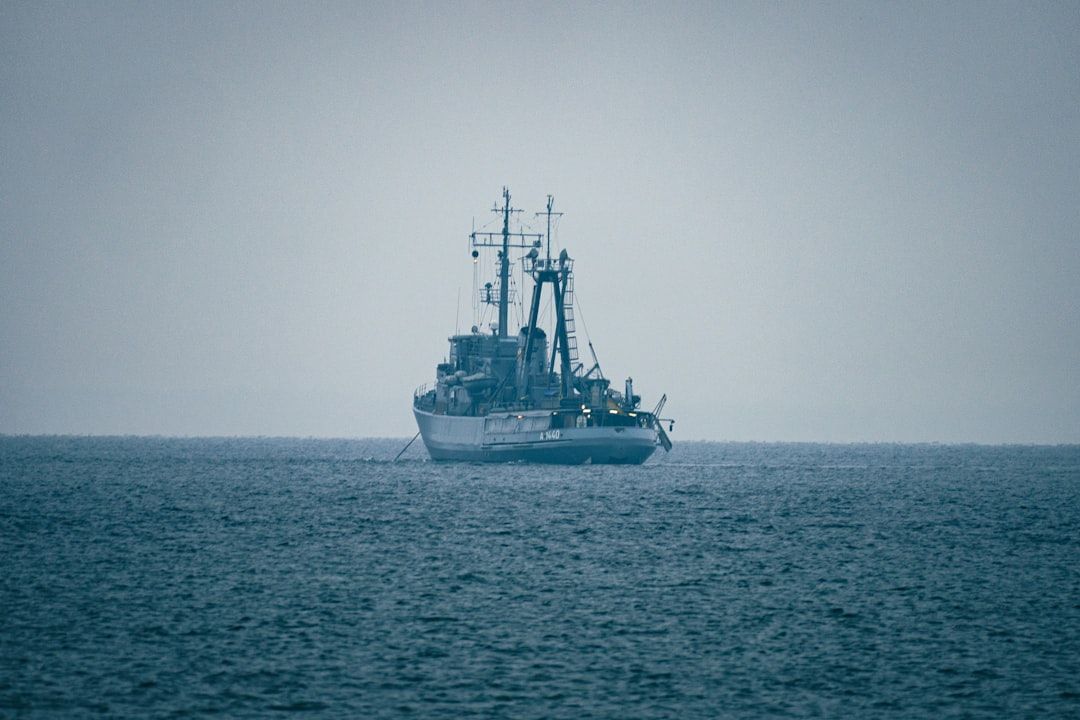
Understanding boating accident statistics helps illustrate why boating safety education matters. The data tells a clear story: certain risk factors appear in most boating accidents, and education can prevent many of them. This guide explores boating accident statistics, the causes behind them, and what the data tells us about staying safe on the water. Whether you're a new boater or experienced, understanding these statistics could save your life.
Overview: The Boating Safety Challenge
Boating is a popular recreational activity in America. Millions of people boat every year across all 50 states, from small lakes to massive oceans. While boating is fun and exciting, it carries inherent risks. Understanding accident data helps boaters make safer choices and understand what practices truly matter for safety.
Key Boating Accident Statistics
Annual Boating Accident Numbers
According to the U.S. Coast Guard, which collects and maintains boating accident data nationally:
- Approximately 3,500+ recreational boating accidents occur annually in the United States
- Around 2,000 deaths result from boating accidents yearly (varies by year and data source)
- Roughly 600-700 deaths occur from drowning in boating accidents
- Thousands of non-fatal injuries occur during boating accidents annually
- Over 5,000 boating accidents have been reported in some recent years with improved reporting
The exact numbers vary by year and data source (USCG, NFHS, state agencies), but these ranges represent the scale of boating accidents in America.
Fatality Rate
The fatality statistics from boating accidents are sobering:
- Recreational boating has a fatality rate of approximately 10-15 deaths per 100,000 registered recreational boats
- Approximately 85-90% of boating fatalities involve victims who were not wearing life jackets
- For every fatal boating accident, approximately 4-5 non-fatal injuries occur
- Children (ages 1-14): The leading cause of unintentional injury deaths is boating-related drowning
- Ages 15-24: Boating deaths are a significant cause of injury-related mortality
These statistics underscore how critical life jacket use is for boating safety.
The Causes of Boating Accidents: What the Data Shows
Most Common Causes
Data analysis of boating accidents reveals consistent patterns. The most common causes of boating accidents are:
1. Operator Inattention or Error (Most Common)
- Operator inattention accounts for 30-40% of reported boating accidents
- Includes distracted boating, operator inexperience, and failure to maintain proper lookout
- Often involves operating at excessive speed for conditions
- Technology and distractions are increasing this cause
2. Improper Boat Operation
- Operating at speeds inappropriate for water and weather conditions
- Improper navigation and collision with other boats or objects
- Poor launching and docking procedures
- Accounts for roughly 20-25% of accidents
3. Mechanical/Equipment Failure
- Boat engine problems
- Steering failures
- Fuel system issues
- Anchor and mooring failures
- Represents approximately 10-15% of accidents
4. Alcohol and Drug Use
- Boating Under the Influence (BUI) contributes to approximately 25-30% of all boating fatalities
- Alcohol impairs judgment, balance, and reaction time on boats just as it does in cars
- Drugs have similar impairing effects
- Alcohol involvement is present in approximately 20% of all boating accidents
5. Hazardous Water Conditions
- Rough water and waves
- Strong currents and tides
- Fog and low visibility
- Unexpected weather changes
- Accounts for roughly 10-15% of accidents
6. Not Wearing Life Jackets
- While not technically a "cause" of accidents, not wearing a life jacket is a critical factor in fatalities
- 85-90% of drowning victims in boating accidents were not wearing life jackets
Secondary Contributing Factors
Beyond primary causes, accident data identifies contributing factors:
- Speed and wave management — Excessive speed in rough water
- Fatigue and overconfidence — Operator tiredness and underestimation of hazards
- Lack of boating knowledge — Inadequate training and certification
- Inadequate PFDs — Having life jackets that don't fit or are inaccessible
- Visibility issues — Nighttime boating, fog, or poor lighting
- Weather conditions — High winds, thunderstorms, sudden conditions changes
Drowning: The Silent Statistic
Boating-Related Drowning Data
Drowning is the leading cause of unintentional injury-related death in children (ages 1-14), and boating-related drowning is significant:
- Approximately 85-90% of boating fatalities involve drowning
- Approximately 600-700 of the 2,000+ annual boating deaths are drowning-related
- Most drowning victims in boating accidents had no life jacket on
- Drowning can happen quickly and silently — it's not always the loud, struggling scenario people imagine
- Secondary drowning (water inhalation after leaving the water) can occur hours after the incident
Why Life Jackets Are Critical
The statistics make it clear: life jackets save lives. The data shows:
- Wearing a life jacket reduces drowning risk by over 80%
- Life jacket use is the single most important factor in boating survival
- Even in accidents with multiple fatalities, those wearing PFDs often survive
- Coast Guard data shows that victims in accidents who wore PFDs had dramatically better survival rates
Boating Accident Patterns by Demographics
Age-Related Patterns
Accident data shows significant age-related patterns:
Children (1-14):
- Boating-related drowning is the leading cause of unintentional injury death
- Most involve non-swimmers or weak swimmers
- Lack of supervision is a common factor
- Most were not wearing life jackets
Young Adults (15-24):
- Boating accidents increase in this age group
- Alcohol involvement is higher than other age groups
- Risk-taking behavior contributes to accidents
- Many were inexperienced boaters
Middle-Aged Adults (25-64):
- Still experience significant boating accidents
- Often have boating experience but may take more risks
- Alcohol involvement remains a factor
- Physical fitness levels begin affecting outcomes
Older Adults (65+):
- Experience higher fatality rates per accident
- Often have pre-existing health conditions affecting survival
- Medication interactions may affect balance and judgment
- Tend to have lower tolerance for cold water (hypothermia risk)
Geographic Patterns
Boating accident data varies by region:
States with Most Boating Accidents:
- Florida — Highest absolute numbers due to population and boating prevalence
- California — Large coastal population and extensive waterways
- Texas — Large state with significant boating activity
- New York — Extensive waterways and major population
- Michigan — Great Lakes and numerous inland lakes
Waterway-Specific Data:
- Great Lakes accidents tend to have higher fatality rates (cold water, rough conditions)
- Coastal boating accidents have different patterns than inland lakes
- River accidents often involve current and navigation challenges
- Lake accidents vary by depth, temperature, and boat types
Alcohol and Boating: A Critical Factor
The BUI Statistics
Boating Under the Influence (BUI) statistics are particularly concerning:
- 25-30% of boating fatalities involve alcohol (USCG estimates)
- Approximately 20% of all boating accidents involve alcohol (significant subset)
- Alcohol is involved in higher percentages of fatal accidents than in non-fatal accidents, suggesting greater severity
- Alcohol-related boating deaths are preventable through enforcement and education
How Alcohol Affects Boating Safety
Data explains why alcohol is so dangerous while boating:
- Alcohol impairs judgment — Boaters misjudge speed, distance, and hazards
- Balance and coordination are affected — Difficulty maintaining balance on moving water
- Reaction time slows — Can't respond quickly to emergencies
- Hypothermia risk increases — Alcohol impairs the body's ability to regulate temperature in cold water
- Fatigue is amplified — Alcohol causes additional tiredness compounding fatigue-related errors
Equipment and Preparation: What the Data Says
PFD (Life Jacket) Statistics
The most consistent and impactful statistic in boating accident data:
- 85-90% of boating fatalities involved victims who were NOT wearing life jackets (most cited statistic)
- Less than 5% of boating fatalities involved victims who were properly wearing Coast Guard-approved life jackets
- Life jackets are 80%+ effective at preventing drowning death
- Wearing a PFD is the single best predictor of survival in boating accidents
Required Equipment
Data shows that having required safety equipment and knowing how to use it matters:
- Boats equipped with required safety equipment have better outcomes in accidents
- Fire extinguishers reduce boat fire severity
- First aid kits enable rapid response to injuries
- Navigation and communication equipment (GPS, radio) aid in emergency response
- Visual distress signals help rescuers locate distressed boaters faster
Boating Safety Education Impact
What the Data Shows
Data specifically on boating safety education demonstrates clear benefits:
- Boaters who completed safety education have significantly lower accident rates than those without training
- Boating certificate holders are involved in fewer accidents and have better survival rates
- States with mandatory boating safety education (like Florida and California) show improved safety outcomes
- Training specifically addresses common accident causes, reducing likelihood of incidents
Pre-Accident Warning Signs
Research on accidents that could have been prevented identifies warning signs:
- Operating in unfamiliar waters without preparation — increases accident risk
- Boating in darkness or fog without proper lighting — contributes to collisions
- Operating at speeds inappropriate for conditions — most common factor in control loss
- Ignoring weather warnings — poor judgment leads to incidents
- Operating while fatigued — reaction times slow, judgment impairs
FAQ: Boating Safety Statistics and Risk
Q: How many people die in boating accidents each year?
A: Approximately 2,000-2,500 recreational boating-related deaths occur annually in the U.S., though exact numbers vary by year and data source. Approximately 600-700 are specifically drowning-related.
Q: What's the biggest cause of boating accidents?
A: Operator inattention or error is the most common cause, followed by improper boat operation and alcohol use. Lack of life jacket use is the primary factor in fatalities.
Q: How many people would survive if they wore a life jacket?
A: If all boating fatality victims had been wearing proper life jackets, an estimated 85-90% of drowning deaths could have been prevented.
Q: Does boating education actually reduce accidents?
A: Yes. Data shows that boaters with safety certification have significantly lower accident rates. States with mandatory certification show improved safety outcomes.
Q: What age group has the most boating accidents?
A: Young adults (15-24) and children (1-14) have high rates. Children have the highest proportional risk for drowning, while young adults experience more total accident numbers.
Q: How much does alcohol increase boating accident risk?
A: Alcohol is involved in approximately 25-30% of all boating fatalities and about 20% of all boating accidents. It significantly increases both accident likelihood and severity.
Q: Are boating accidents more common in certain states?
A: Yes. Florida, California, Texas, New York, and Michigan have the highest numbers due to population and boating prevalence. However, fatality rates vary by region.
Q: How important is cold water in boating accidents?
A: Very important. Hypothermia from cold water significantly increases fatality risk, especially in Great Lakes and northern regions. Proper attire matters.
Q: Are boats with safety equipment safer?
A: Yes. Boats equipped with required safety equipment and life jackets have better accident outcomes and survival rates.
Q: What percentage of boaters actually wear life jackets?
A: Estimates suggest that roughly 10-15% of boaters actively wear life jackets. The lack of usage is a major contributor to boating fatalities.
Learn from the Data: Prioritize Your Safety
The statistics are clear: certain actions dramatically reduce boating accident risk:
- Wear a life jacket — The single most effective safety action
- Don't boat under the influence — Alcohol is a major accident factor
- Maintain proper lookout — Attention is critical to accident prevention
- Operate at safe speeds — Excessive speed causes loss of control
- Get proper training — Boating certification reduces accident rates
- Check weather — Avoid boating in dangerous conditions
- Know your boat and the water — Preparation prevents accidents
The data shows these actions work. Get your boating safety certification today to reduce your accident risk and be a safer boater. Whether you choose Florida Boating License or California Boating License certification, education is your best defense against becoming a statistic.